New Listings - Updated Every Minute ⓘ MLS properties and information provided herein is deemed reliable but is not guaranteed by the Hawaii Information Service, Inc. Listing Service.
1 - 45 of 250
Total 1,269 Honolulu Homes - 45 loaded
New Listings - Updated Every Minute ⓘMLS properties and information provided herein is deemed reliable but is not guaranteed by the Hawaii Information Service, Inc. Listing Service.
Long settled by Native Hawaiians, the Big Island’s modern towns grew largely from the Plantation era, when sugar companies built workforce neighborhoods and spurred population growth across the island.
After WWII, the plantation system declined and tourism rose quickly, creating demand for new housing - especially in and around major destinations like Kona and Hilo.
As plantations closed, large tracts of oceanfront land also opened to development beginning in the 1970s. Today’s master-planned resort communities, such as Waikoloa and Hualalai, and private residential enclaves like Kohanaiki and Hokulia are the results.
The island continues to see steady growth, particularly along the Kona and Kohala Coast. Its vast size offers unmatched climate variety, wide-open landscapes, and some of the most approachable price points in Hawaii - along with the rare opportunity to enjoy real space.
Below you’ll find an overview of the Big Island’s major towns and residential areas, with key details to help you decide where you’d like to call home.
Waimea (Kamuela) Famous for its ranching heritage, Waimea stretches from cool uplands to the Kohala Coast. Oceanfront options include communities such as Kohala Waterfront and the Mauna Lani and Mauna Kea Resorts, while rural life thrives around the historic Parker Ranch. Waikii Ranch, Hawaii’s only equestrian community, sits here alongside agricultural subdivisions like Lalamilo Farm Lots and Mokuloa.
Kona The heart of Big Island tourism, Kona offers the island’s widest range of homes. High-end master-planned communities such as Hokulia, Kukio, and Hualalai Resort deliver world-class amenities and oceanfront living. In contrast, the cooler uplands feature agricultural estates - like Makalei Estates and Kaloko Mauka - where multi-acre properties and horses are common. Some pockets, including Kahaluu Beach Lots, still showcase charming Old Hawaii homes.
Captain Cook Known for its relative affordability, Captain Cook is also a major Kona Coffee farming region, giving the area lush green surroundings. Vintage Plantation-era homes remain in neighborhoods like Kingsley and Captain Cook Village. Agricultural parcels - some still vacant - offer opportunities to build and even cultivate your own coffee.
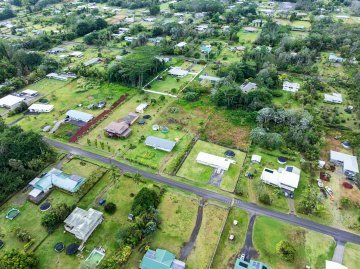
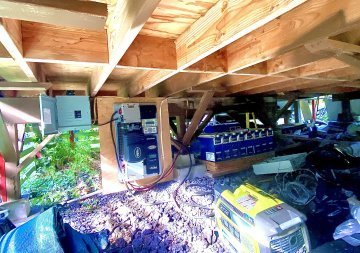
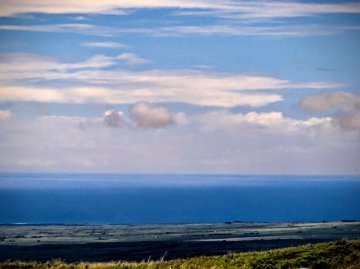
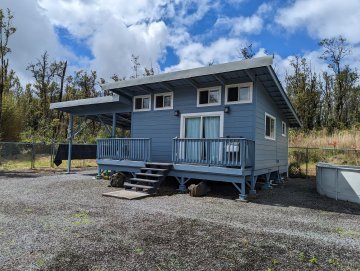
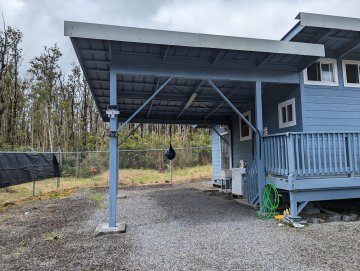
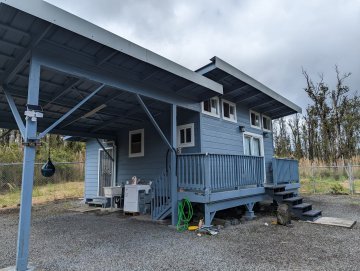
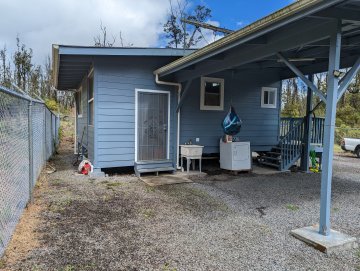
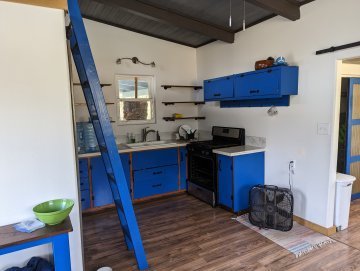
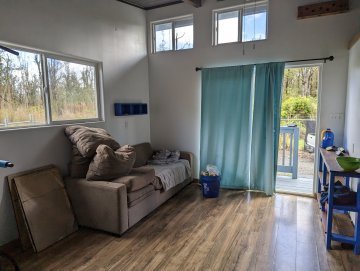
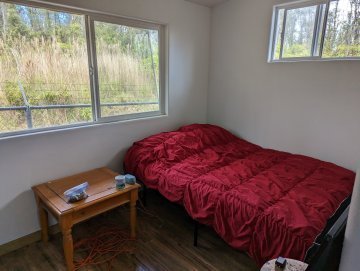
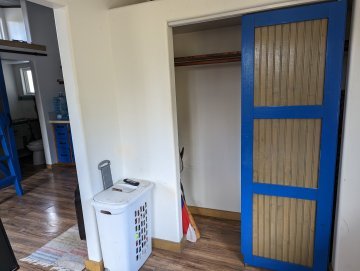
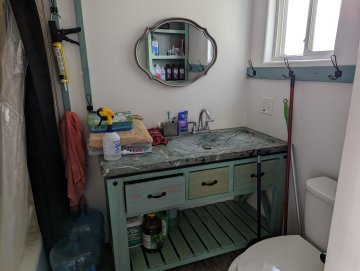
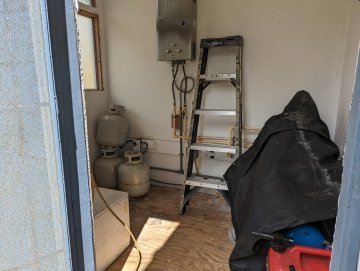
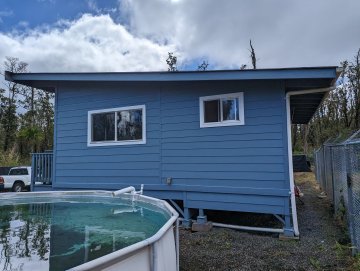
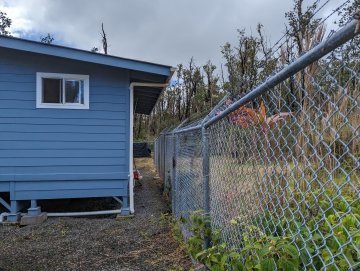
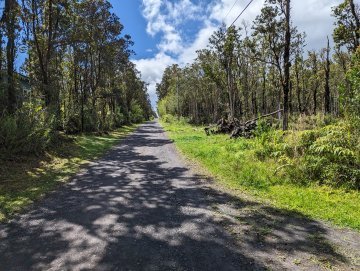
Ocean View Ocean View presents a more remote, off-the-grid lifestyle with wide spacing between homes. Elevated lots often enjoy broad ocean views. Housing ranges from tiny homes to expansive custom builds with pools. Buyers are drawn by the affordability and the prevalence of one-acre (or larger) lots.
Naalehu At the southeastern corner of the island, Naalehu was built around an early 20th-century sugar plantation. Many original Plantation-style homes from the 1920s –1940s remain. With just a couple of neighborhoods bracketing the highway, Naalehu offers a quiet, close-knit community with prices in reach for average buyers.
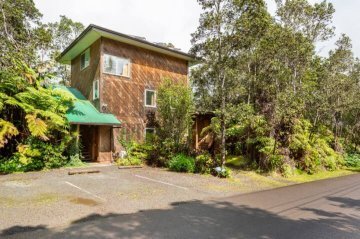
Volcano Despite the name, Volcano is cool, green, and often misty - fireplaces are common. One of the more affordable areas on the island, it features Hawaii-style cottages and Plantation homes ranging from 1920s originals to modern builds.
Mountain View Located about 15 miles south of Hilo, Mountain View is cooler and rainier, with lower average price points and generally larger lots - often an acre or more. While some homes date to the mid-1900s, most were built from the 1970s onward. Ranch, Plantation, and cabin-style homes dominate this rural setting.
Pahoa Pahoa is known for its accessible pricing, artsy vibe, and rural small-town appeal that historically attracted many counterculture residents. Homes are custom builds in Plantation and Hawaii Craftsman styles, many from the early to mid-20th century. The town has shops, restaurants, and a large recreation complex - so it feels secluded, but not isolated.
Keaau Eight miles south of Hilo, Keaʻau offers a quieter, more affordable home base for many who work in Hilo. In town you’ll find older ranch and Plantation homes, while areas just south—such as Orchid Land Estates and Hawaiian Paradise Park - feature a mix of styles from the 1980s to today.
Hilo Hilo reflects everyday, local Hawaii living more than resort-oriented Kona. Neighborhoods stretch from Hilo Bay up the slopes of Mauna Loa, blending vintage and modern homes - even in higher-end areas like Lehia Park. Plantation, ranch, and Hawaii Craftsman styles dominate, with upscale Hawaiian Modern homes appearing in subdivisions like Kulana Kea and Wainaku Farms, many with bay views.
Honokaa Perched along the Hāmākua Coast, Honokaa overlooks the ocean from its hillside setting. Old Hawaii charm is strong, with many Plantation homes from the early 20th century still intact. Nearby areas such as Kukuihaele offer larger, more contemporary homes - some with sweeping vistas - developed mostly since the 1980s.
Kapaau Near the northern tip of the island, Kapaau rises gradually from the coastline and overlooks the Pacific, with views of Maui across the channel. Homes line the main roads, surrounded by wide expanses of greenery. Lots are generally large, and many older cottages and ranch homes sit on generous acreage. Since the 1990s, larger homes on half-acre to multi-acre parcels have become more common, appealing to those seeking space or small-scale farming.
History of the Big Island The Big Island is the birthplace of Kamehameha I, who united the Hawaiian Islands under his rule in 1795.
Plantations transformed the landscape beginning in the 1850s, primarily growing sugarcane but also coffee and macadamia nuts - crops that remain important today. Agriculture declined in the 1950s just as Hawaii’s visitor industry surged, setting off a wave of development that continues today.
Even so, much of Old Hawaii endures: plantation towns preserve historic main-street buildings, and the island as a whole remains distinctly low-rise and low-speed.
Over the past 3 years, an average of 2059 fee simple homes sold per year in Big Island. This large sample size makes the graph a highly reliable indicator of market trends.
The Big Island graphs use median data points instead of averages, as the median is less affected by extreme outliers and better reflects typical trends.
Listings appear instantly - new properties added within one minute.
We need your email address, if you would like email alerts. Please Create Account - takes 1 min - or Sign In .
We exclude Leasehold data from this market analysis because Leasehold properties do not compare with regular Fee Simple properties.
We use median instead of the average because it depicts more accurately a central tendency to the sample size. Example: Take 5 numbers - 3, 5, 7, 9, 21. The median is 7 (the middle number) and the average is 9 (sum of all divided by 5).
We count days on market from listing date through closing date.