Maui’s story begins with the first Polynesian settlers arriving around 450 AD, followed by additional waves from the Marquesas and Tahiti.
By the early 1800s, the island had become a major provisioning stop for whaling ships, with Lahaina growing into its first significant city.
The sugar and pineapple plantations that followed shaped most of Maui’s present-day towns, creating the earliest organized neighborhoods for their workers.
Modern residential development took off in the 1950s as the plantation era waned and tourism became Maui’s economic engine.
New subdivisions emerged to house the expanding workforce in Lahaina, Kihei, and Wailuku, while former plantation lands opened the door for master-planned communities such as Kaanapali, Wailea, and Kehalani.
Though Maui has grown, it remains far less developed than Oahu, striking a balance between preserved open spaces, classic island character, and modern conveniences.
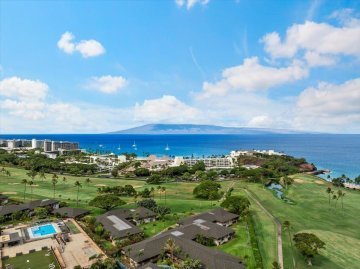
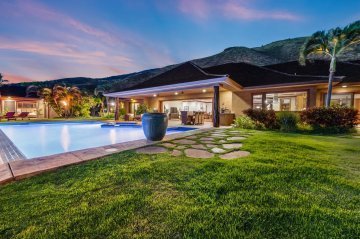
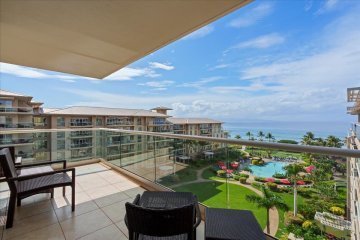
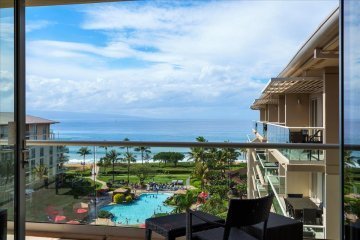
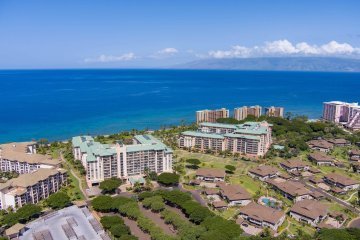
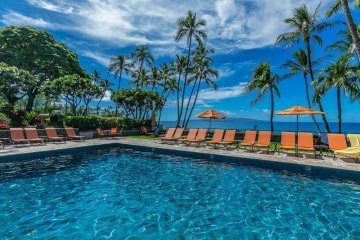
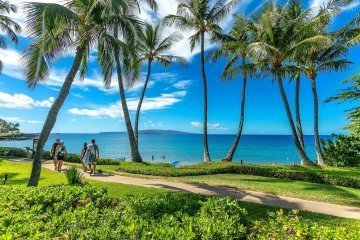
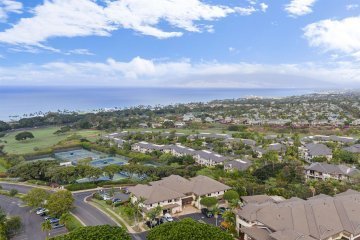
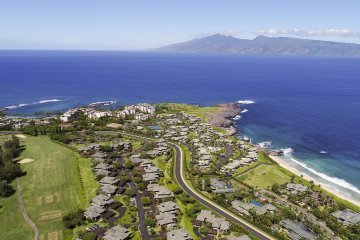
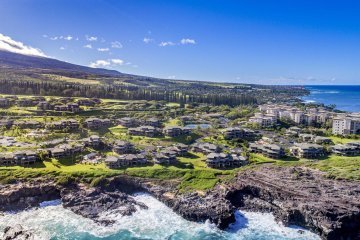
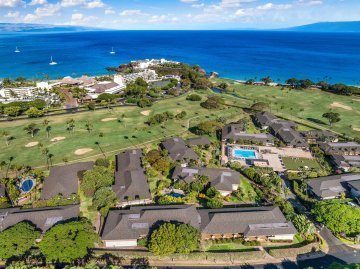
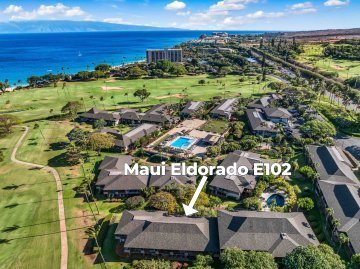
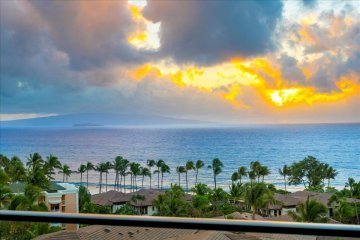
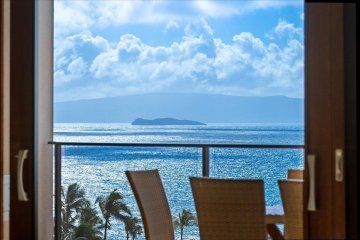
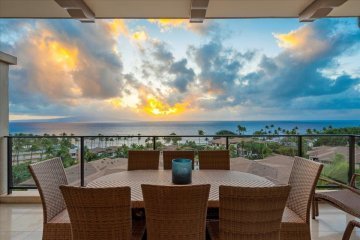
Wailea & Makena Wailea and Makena share Maui’s sunny southwestern coastline, but each offers a distinct feel. Wailea is a master-planned resort community with abundant amenities, shopping, and golf-course-front homes. Makena is quieter, with more beaches, newer luxury homes, and estate-sized lots. Both areas offer custom-build lots (approximately 9,000 sq. ft. to ½ acre) and exceptional oceanfront properties.
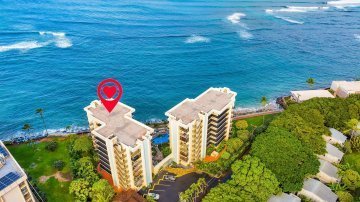
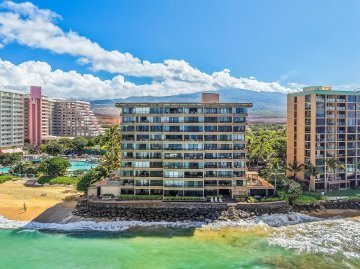
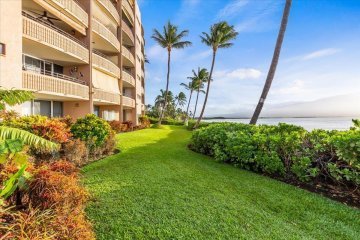
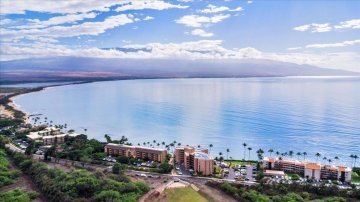
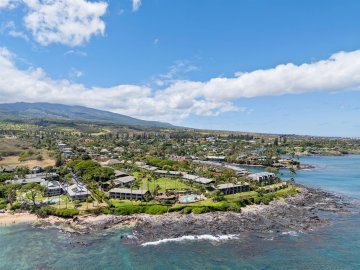
Kihei Kihei divides naturally into a busier, tourism-oriented south and a more local-focused north. Both areas sit just steps from the beach and offer oceanfront options. Much of Kihei’s housing boom came in the 1990s, with steady development since. Several subdivisions - such as Ke Alii Kai, Halama Street, and Pacific Terrace—allow guest cottages, a unique feature in this area.
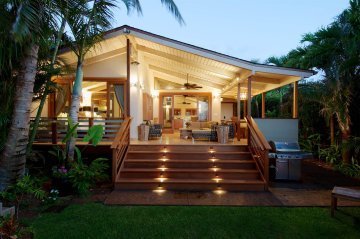
Lahaina While much of Lahaina awaits rebuilding, several neighborhoods remain intact, particularly those upslope. Kahoma Village’s Carriage Ways community (built 2019) offers Hawaiian Craftsman-style homes near the ocean. Just south in Launiupoko, large agricultural lots and luxurious hillside estates in areas like Puunoa Estates offer sweeping ocean views.
Kaanapali Home to Hawaii’s first master-planned resort community, Kaanapali began residential development in 1971 with Kaanapali Vista. Most of today’s subdivisions were built in the 2000s and 2010s. The area offers a mix of beachfront homes along Kai Ala Place, golf-course properties, and hillside residences - many with wide ocean views.
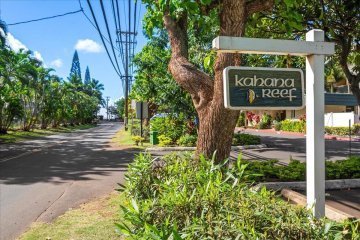
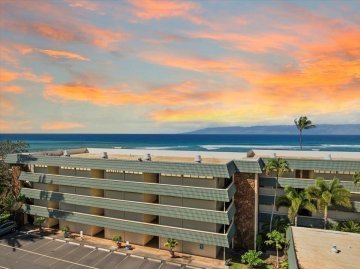
Napili, Kahana & Honokowai These neighboring resort towns on the northwest coast are known for their condo communities, with single-family homes in shorter supply. Houses here date from the 1970s to 2000s. Oceanfront homes are extremely limited, found almost exclusively in Hale Malia. Kahana Wai and Kapua Village offer 1- and 2-story homes just across from the beach, while other neighborhoods enjoy ocean views.
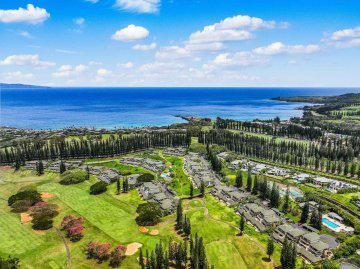
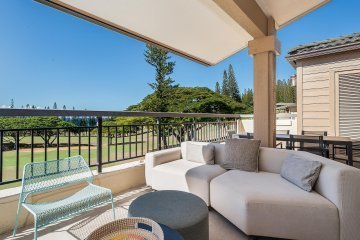
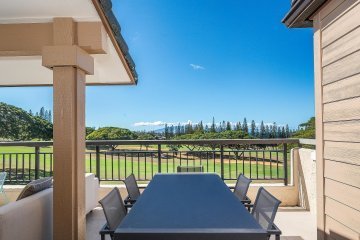
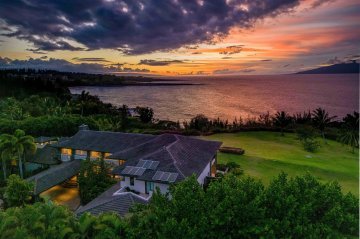
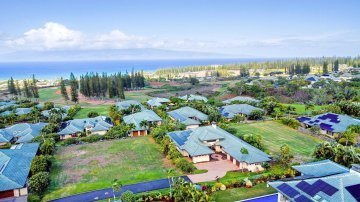
Kapalua Kapalua’s development began in the 1960s, with custom home sites introduced in 1988. All residential subdivisions are gated and designed for custom builds within community guidelines. Kapalua Place offers oceanfront estates, while the Plantation Estates front the famed Plantation Golf Course. Newer developments such as Honolua Ridge provide multi-acre parcels with sweeping views. Some vacant lots may still be available.
Wailuku As Maui’s county seat, Wailuku blends government, commerce, and tourism. The town stretches from the shoreline up the West Maui Mountains, offering everything from vintage homes on small lots to hilltop properties with ocean views. Wailuku Heights features higher-end homes - many with pools - while the large Kehalani master-planned community offers mid- to high-end neighborhoods built throughout the 2010s and 2020s.
Kahului Kahului is Maui’s hub for everyday conveniences - home to the main airport, UH Maui College, and the island’s largest stores. The town borders Kahului Bay and generally offers a more affordable cost of living. Two major developments define its housing: Dream City, built from the 1950s–70s, created 3,500 concrete homes; and Maui Lani, a modern master-planned community with nine subdivisions (three gated) built from the 1990s to today.
Paia & Spreckelsville Paia sits on Maui’s north shore, famous for world-class windsurfing. Many homes are close to the ocean, including a selection of luxury waterfront estates. The town core still features charming plantation-era homes, while Paia Halelani and Skill Village offer more affordable neighborhoods from the 1970s–80s.
Nearby Spreckelsville is an upscale oceanfront community known for larger lots and a refined, quiet lifestyle.
Pukalani Set in the foothills of Haleakala, Pukalani enjoys cooler temperatures and broad views. While classic plantation homes remain, developments like Kulamalu and Kualono have added larger, modern homes - including some high-end properties. Among Upcountry towns, Pukalani is generally the most affordable, with lower-elevation neighborhoods only about 20 minutes from the shoreline.
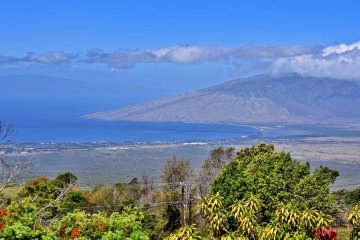
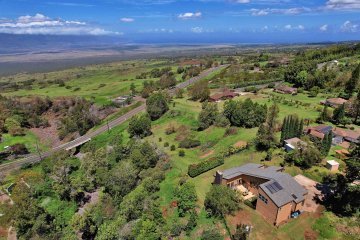
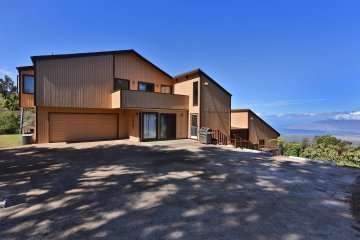
Kula Kula’s elevation (1,700–3,200 feet) brings crisp air and panoramic, often bicoastal, views. Long favored as a retreat for the affluent - including notable figures like Oprah Winfrey - Kula features large estate parcels, agricultural land, and generous lots. Homes range from classic kamaaina designs to expansive luxury residences built from the 1970s onward. Spacing between neighbors remains wide, preserving its rural charm.
Haiku Haiku appeals to buyers drawn to greenery, space, and a more rural lifestyle. More affordable housing can be found inland, with cottages and ranch-style homes. Higher-end communities such as Aina O Ka Hale Pili and the gated West Kuiaha Meadows offer larger, feature-rich homes. Agricultural use is common, especially in areas like Haiku Mauka, where lots often exceed 2 acres.
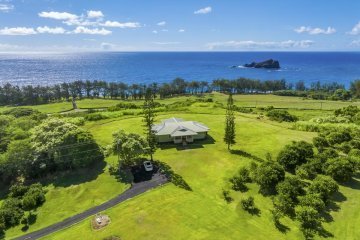
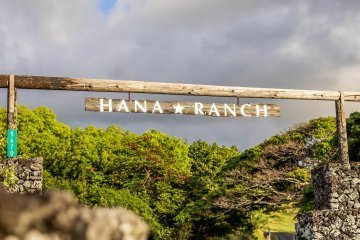
Hana Hana offers a rare glimpse of Old Hawaii, preserved by its remote location, lush landscape, and deeply local culture. In town, you’ll find plantation-era and ranch-style homes that are relatively more affordable. Along the coastline are large estate properties - some owned or once owned by well-known figures - valued for their privacy and extraordinary natural setting.
Maui History Polynesian voyagers first settled Maui around 450 AD, with additional waves from the Marquesas and Tahiti through 900 AD. By 1550, Chief Piilani unified the island, his dynasty holding power until inter-island conflicts in the 18th century ended with Maui’s incorporation into King Kamehameha’s unified Hawaiian Kingdom in the 1790s.
The 19th century brought rapid cultural and economic change. Lahaina became the Pacific whaling fleet’s primary resupply port, and later the rise of sugar and pineapple plantations shaped the growth of Maui’s towns. After World War II, the plantation era gave way to tourism, triggering major residential and resort development.
Today, Maui remains the second-most-developed Hawaiian island—modern and vibrant, yet still deeply connected to its land and heritage.
Other Island