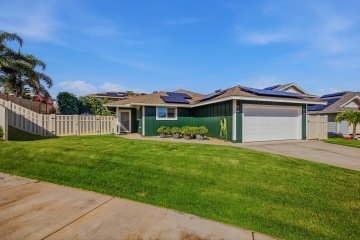
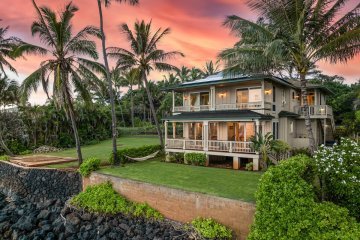
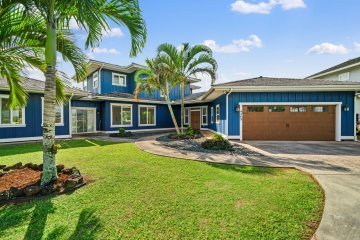
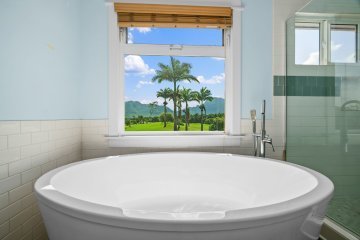
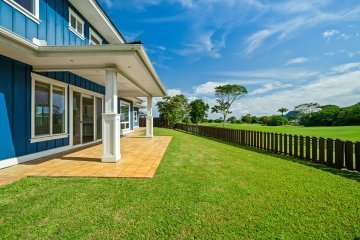
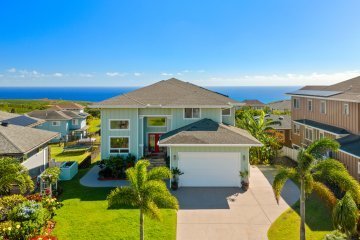
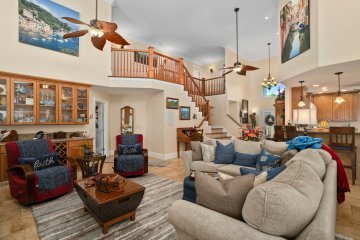
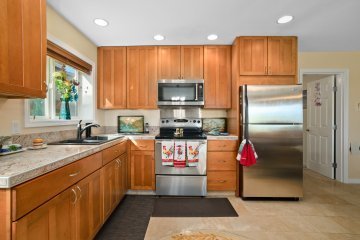
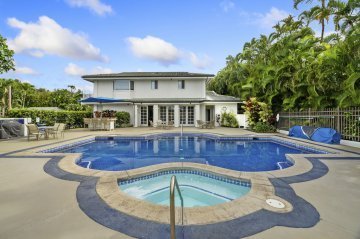
Residential development on Kauai began with the growth of the sugar plantations in the early 1900s. As the workforce expanded, homes were built across the island to house plantation employees in every major town.
Kauai transitioned slowly from agriculture to tourism after World War II, developing at a more cautious pace than the other islands. A major change came in 1968 with the start of Princeville, but most new housing elsewhere consisted of smaller projects in Poipu, Kapaa, and Lihue until the 1980s.
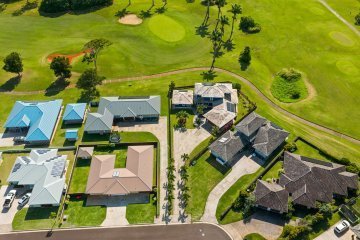
Because of this gradual growth, many Kauai towns do not have large planned subdivisions. Development since the 1980s introduced communities such as Hanapepe Heights, Pikake and Ulu Ko in Lihue, and Wainani at Poipu, while older towns still feature a mix of vintage homes and newer custom builds.
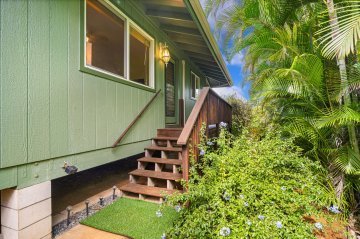
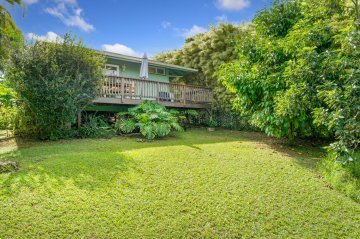
In smaller communities like Anahola, Hanalei, and Waimea, you’ll find a blend of classic Plantation-era homes and newer individual builds that reflect Kauai’s preference for incremental, low-density development.
The town-by-town overviews below will help you understand Kauai’s real estate landscape and what distinguishes each area.
Short-term rentals: Homes on Kauai may operate legally as short-term rentals only if they are located in a designated Visitor Destination Area (VDA). Properties outside a VDA may do so only with a grandfathered Transient Vacation Rental Non-Conforming (TVNC) certificate.
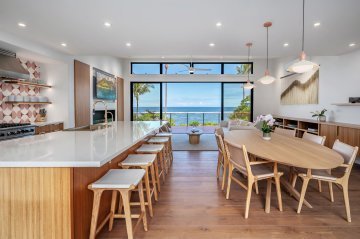
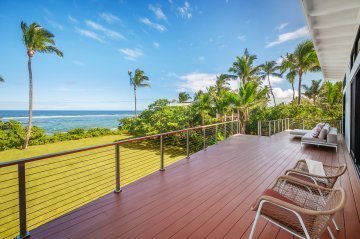
Hanalei Hanalei has a population of roughly 300 and is known for its classic North Shore scenery and cultural charm. Most homes are Plantation-style builds from the mid-1960s onward, though a limited number of high-end Modern Hawaiian estates have been added by luxury buyers. Demand is consistently strong due to the town’s location, character, and beachfront appeal.
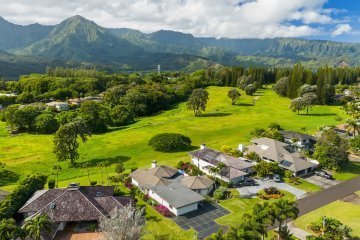
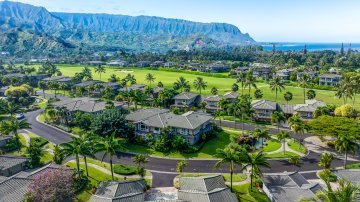
Princeville (Entire Area Is a VDA) Princeville is a master-planned resort community, yet its homes are all custom builds rather than tract housing. Lot sizes range from about 6,000 sq ft to several acres, with many inland parcels zoned for agriculture. Home styles vary widely—from bungalows to large luxury estates. Queen Emma’s Bluffs stands out as the one distinct gated subdivision, with a minimum 30-day rental requirement.
Kilauea Located on the east end of the North Shore, Kilauea’s neighborhoods are primarily inland due to the National Wildlife Refuge along the coastline. Most homes north of Kuhio Highway are custom builds from the 1980s forward, typically in Ranch, Plantation, and Craftsman styles. South of the highway in Kilauea Plantations, properties are agricultural-zoned on multi-acre parcels. Higher-end oceanfront and near-ocean homes can be found in Kilauea Gardens.
Anahola Anahola is one of Kauai’s most local communities and includes the island’s primary Hawaiian Homelands residential area. Most homes were built in the 1970s and 80s, predominantly in Ranch, Craftsman, and Plantation styles. Along the coastline are a number of large and high-end homes, especially in Anahola Aliomanu.
Kapaa As Kauai’s largest town, Kapaa offers a wide range of housing options. More affordable homes are located in lower Kapaa neighborhoods such as Kapaa Heights and Hudley Heights. In the upland Wailua Homesteads, you’ll find larger lots—many still available for new builds—in cooler elevations with strong mountain views. Oceanfront buyers look to areas like Fuji Beach, where inventory ranges from 1930s Plantation homes to modern beachfront estates.
Lihue Oceanfront homes in Lihue are scarce due to the airport and harbor occupying much of the coastline. However, ocean views are common in newer upscale neighborhoods such as Puako, Pikake, and Kupolo. Golf-course communities like Ulu Ko also offer higher-end homes. More affordable entry points are found in older Plantation and Ranch homes in Nawiliwili and Hanamaulu.
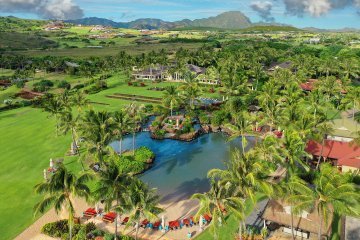
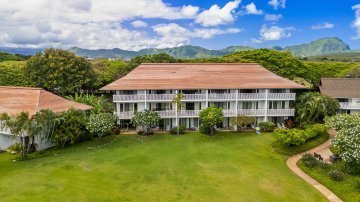
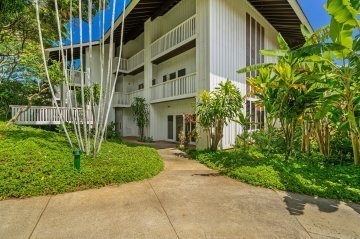
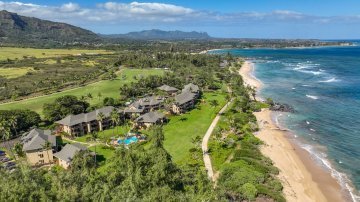
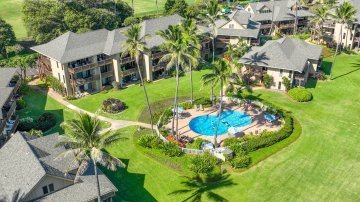
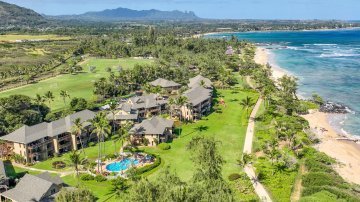
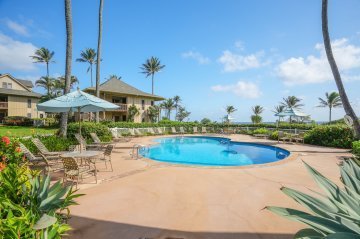
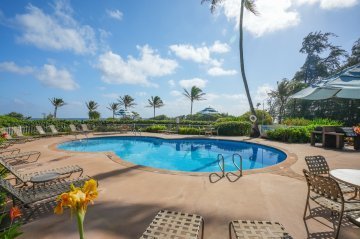
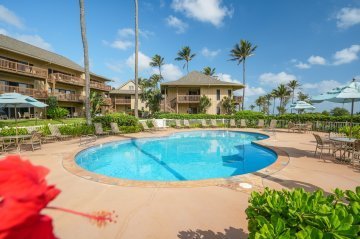
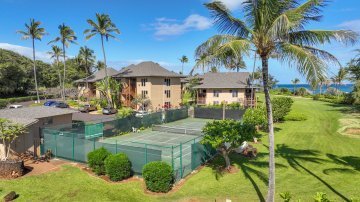
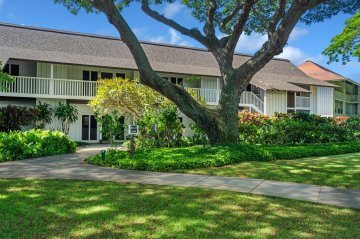
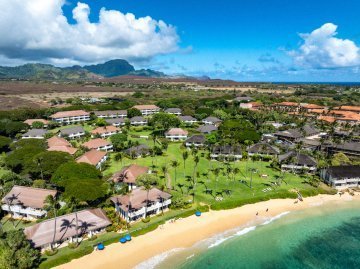
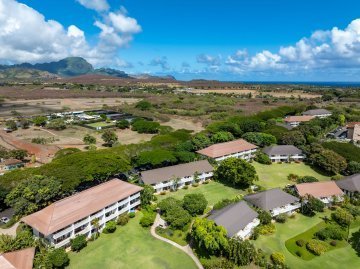
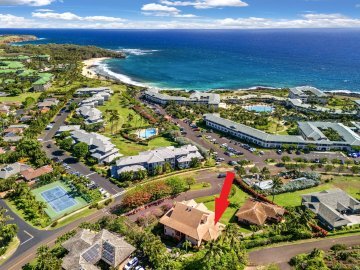
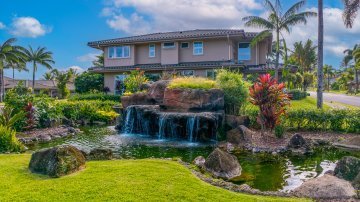
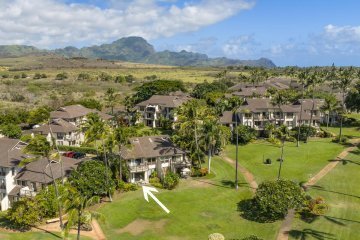
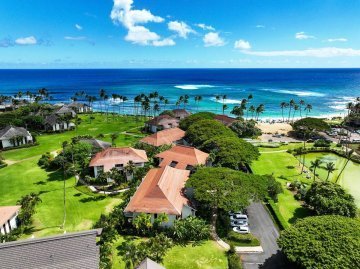
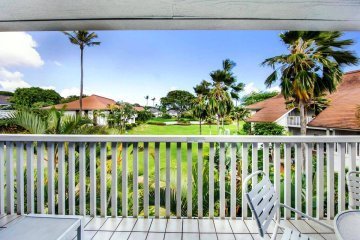
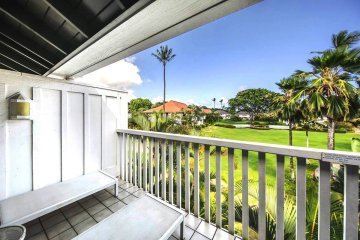
Poipu (Most Areas Are Within the VDA) A major district of Koloa, Poipu contains many higher-end neighborhoods developed from the 1980s onward, including homes in Poipu Kai Resort and golf-course communities like Kiahuna Golf Village and Wainani at Poipu. For larger parcels, Poipu Aina Estates offers 2–3 acre agricultural-zoned properties. Older neighborhoods such as Koloa Makai and Weliweli Heights feature custom homes built from the 1930s onward, many near the shoreline.
Hanapepe Hanapepe sits on the southwest coast along Hanapepe Bay, where the Hanapepe River meets the ocean. Housing is almost entirely single-family, largely in Plantation style to match the character of the historic town center. Older homes from the mid-1940s are closer to the ocean, while newer neighborhoods such as Hanapepe Heights offer hillside locations with sweeping views.
Waimea Located on the west coast at the base of Waimea Canyon, Waimea is known for its affordability and vintage housing. Many homes date from the 1920s onward, primarily in Plantation style, with most residences being single-level. The town stretches only about ¾ mile from its distinctive black sand beach inland.
Kekaha Kekaha is another relatively affordable coastal town, with all homes located within a few blocks of the shoreline and Kekaha Beach Park. Houses range from 1950s Ranch and Plantation-style builds to newer elevated homes, as much of the area lies within a flood zone. Smaller lots are common at the north and south ends, while the central section includes larger parcels and more recent construction.
Kauai History Kauai was the site of Captain Cook’s first recorded arrival in Hawaii and has deep Polynesian roots, with settlers arriving between 600 and 1200 AD. Sugar plantations shaped the island beginning in 1835, bringing workers from Japan, China, and the Philippines—communities whose descendants remain integral to Kauai today.
Although the economy has shifted to tourism, Kauai has pursued development at a more deliberate pace than Oahu or Maui. Residents remain committed to maintaining the island’s rural character, cultural heritage, and natural beauty.
Other Islands