Oahu's 2nd City is an idea that's been discussed and debated for decades. It's only been in the last few years that it has truly taken shape in the community of Kapolei. The need for this additional urban center became clear as early as the 1970's when growth and development had transformed Honolulu. The crowded living conditions, traffic problems and other issues were a mounting crisis that called for a solution, or at least relief.
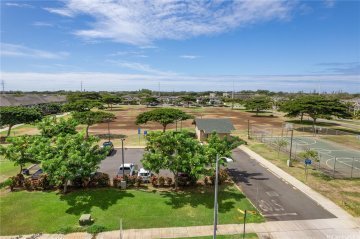
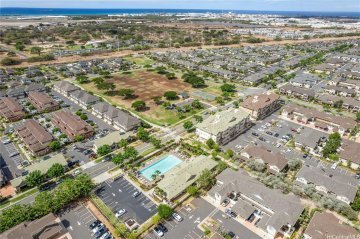
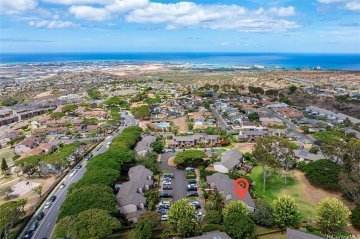
Kapolei's real estate was the answer. Out on the open, flat and, best of all, undeveloped Ewa Plain was a site far enough from Honolulu to create that relieving effect, but close enough for commuting if needed. This second condition was important, especially for the initial years. There probably wouldn't be a significant job market centered here for a time, so drawing the first wave(s) of Kapolei homebuyers would depend on that commute being feasible for them.
In fact, even though it's further west than
Ewa Beach, the homes in Kapolei have easier access to the H-1 freeway. That makes one of the biggest commute hurdles, just getting to and on the freeway, easier and quicker for Kapolei residents than their neighbors to the east.
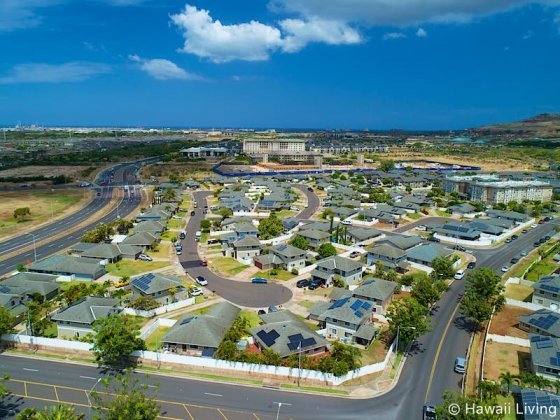
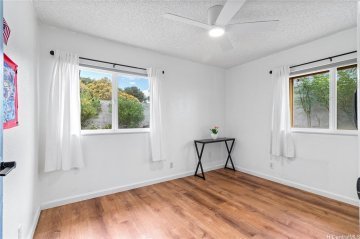
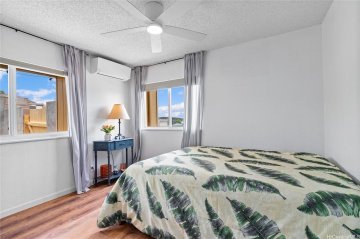
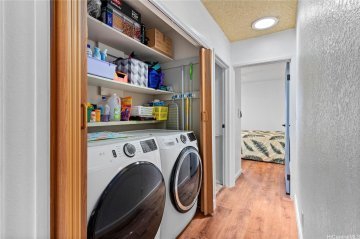
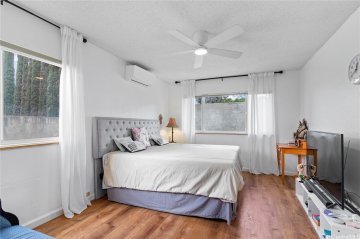
The Homes In general, the urban
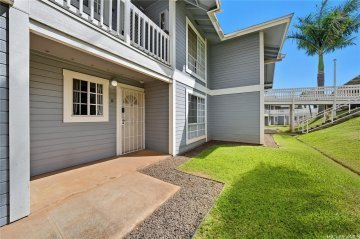
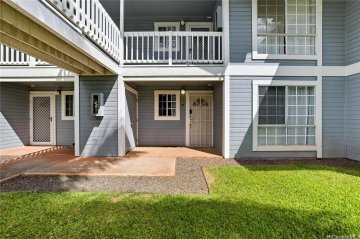
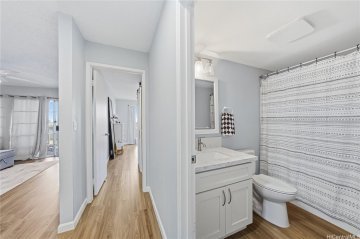
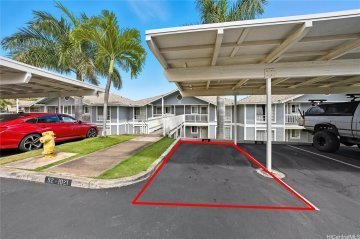
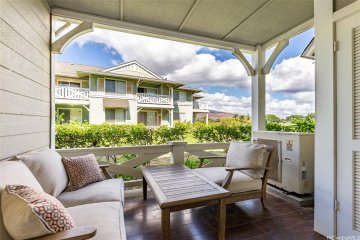
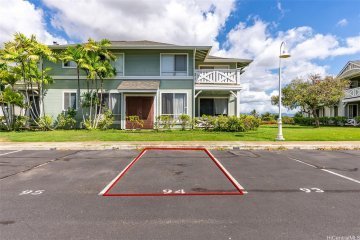
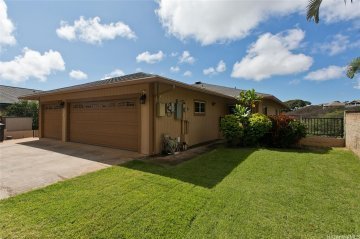
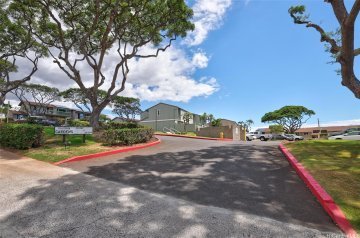
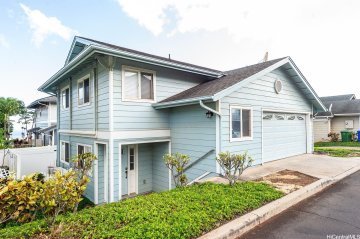
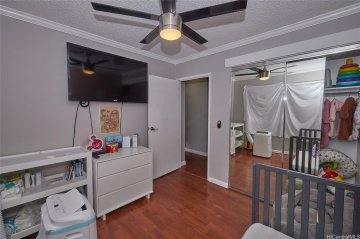
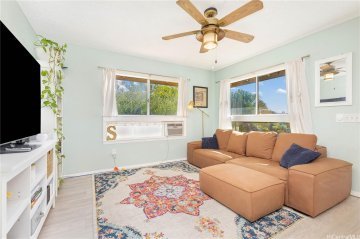
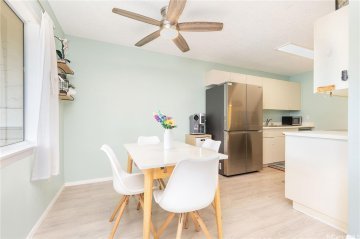
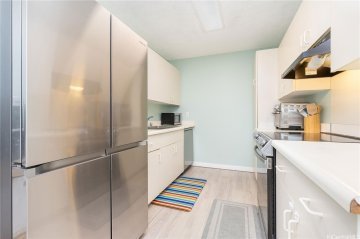
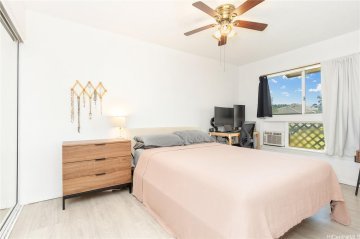
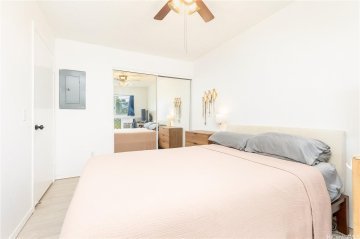
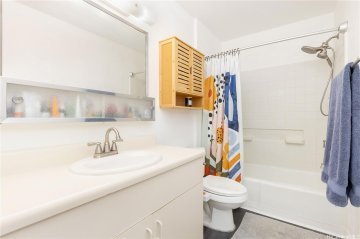
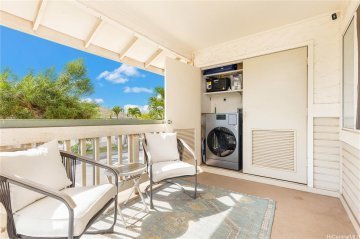
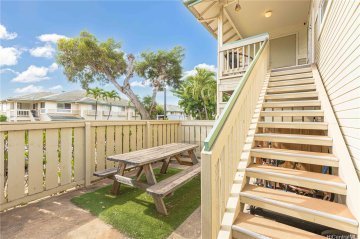
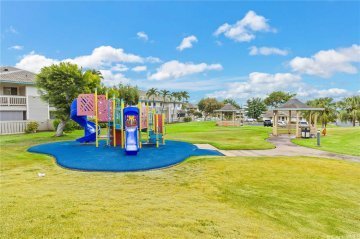
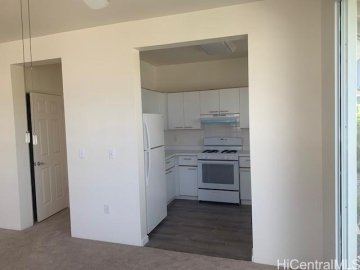
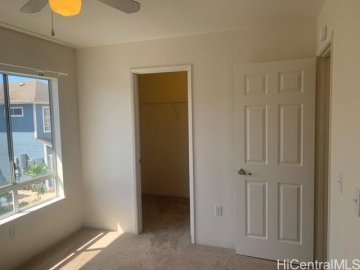
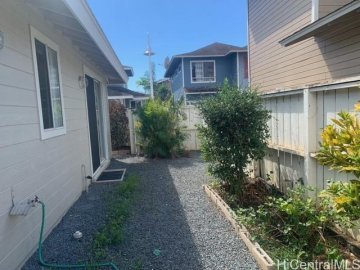
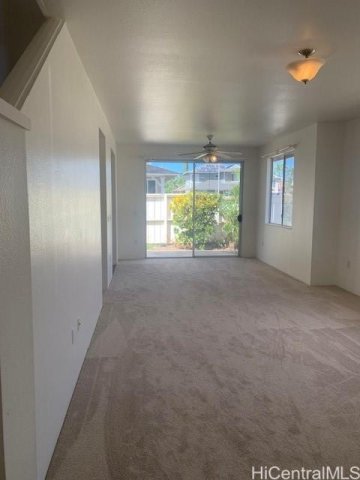
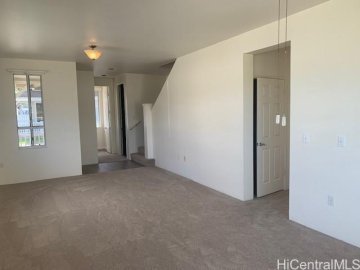
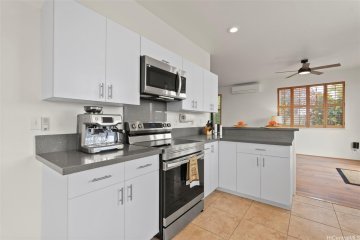
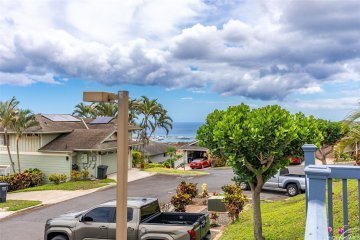
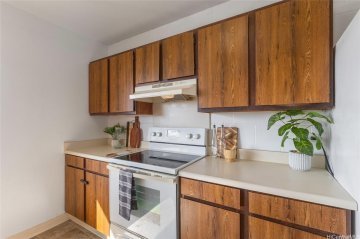
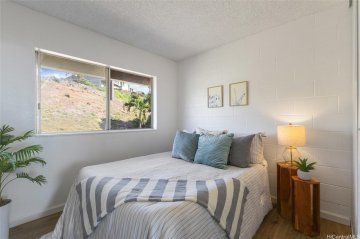
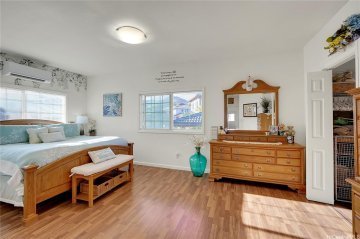
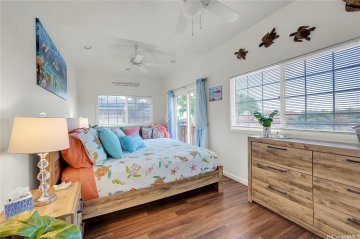
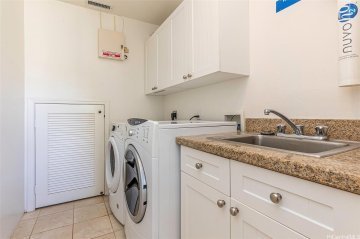
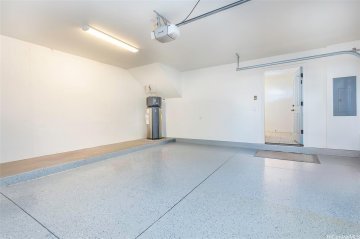
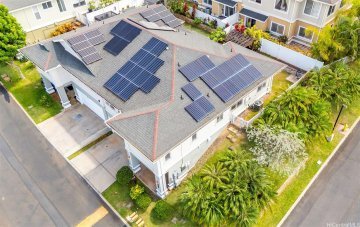
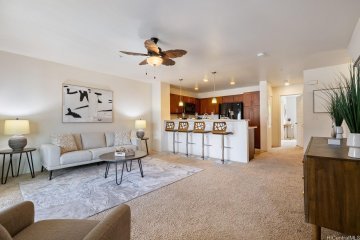
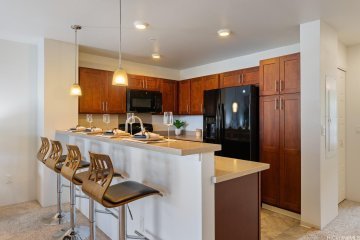
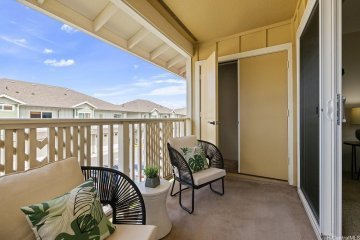
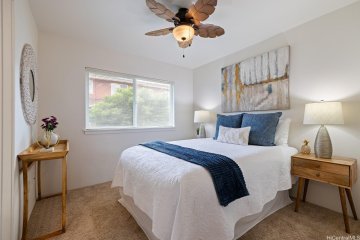
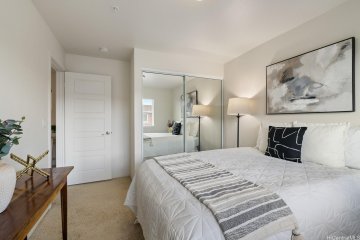
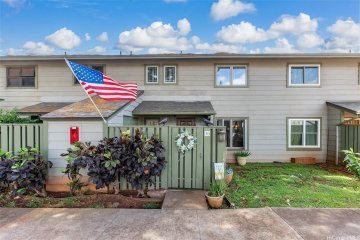
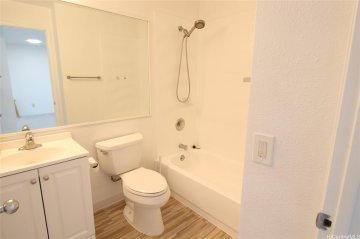
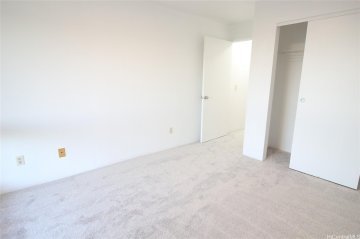
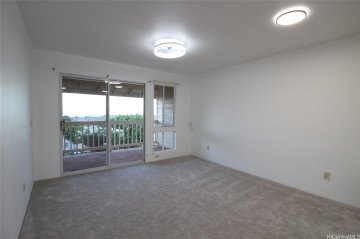
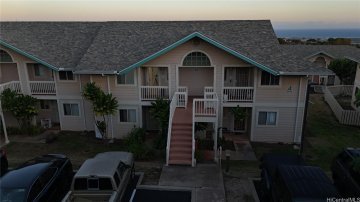
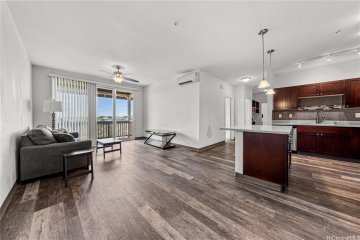
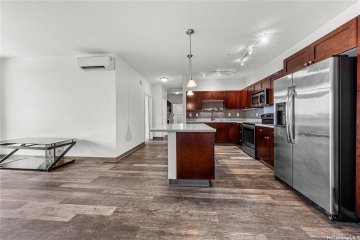
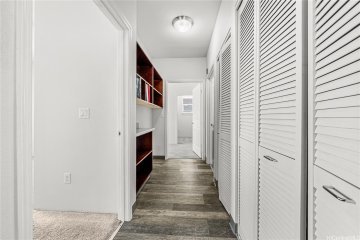
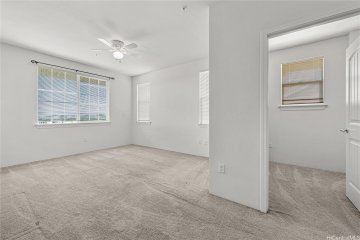
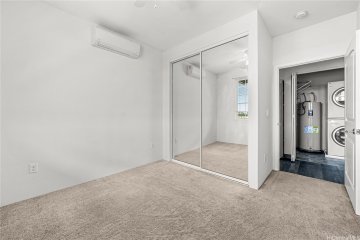
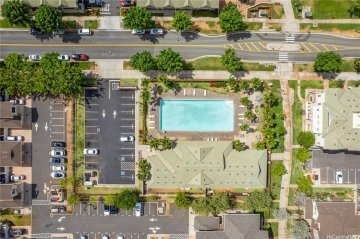
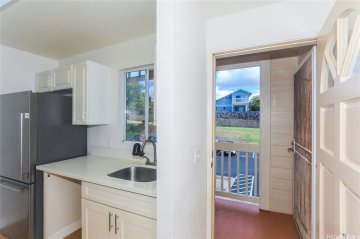
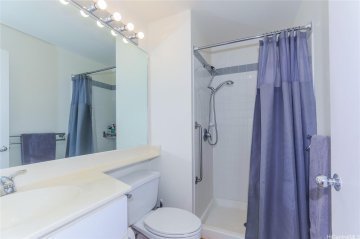
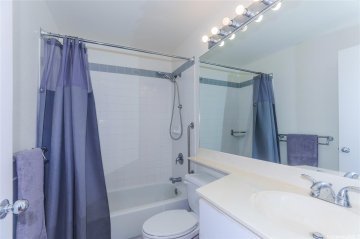
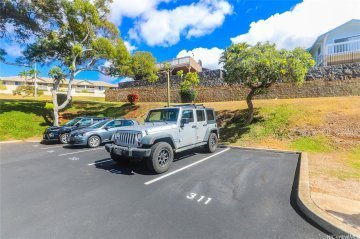
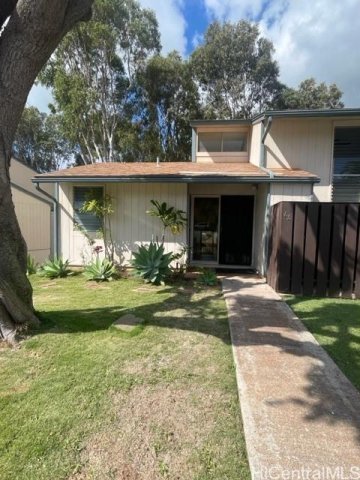
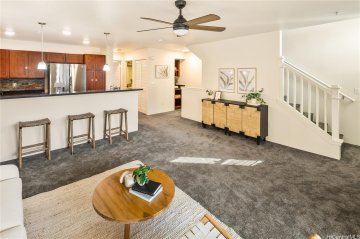
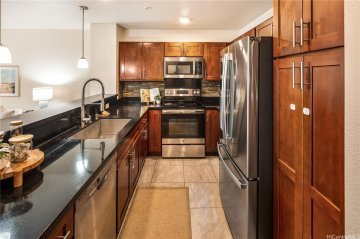
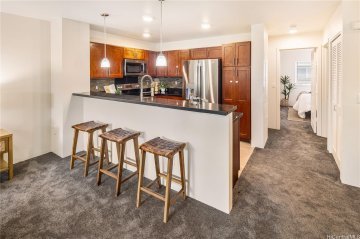
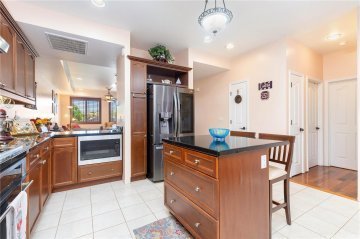
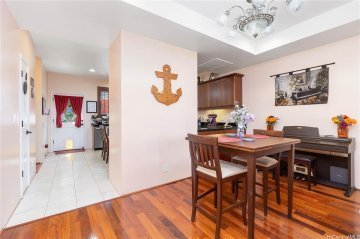
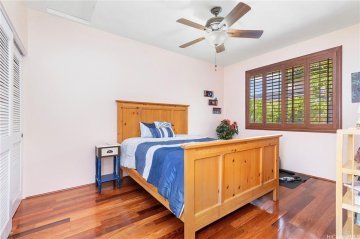
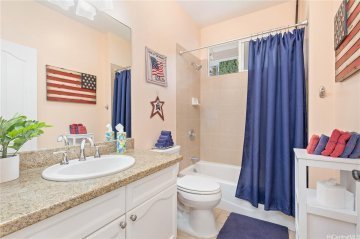
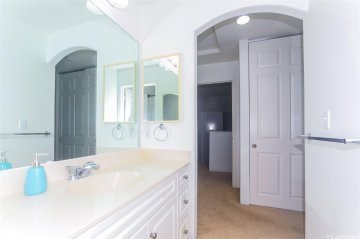
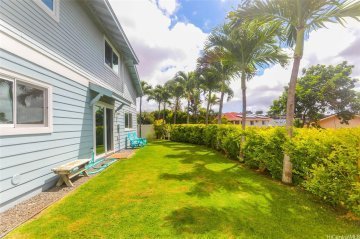
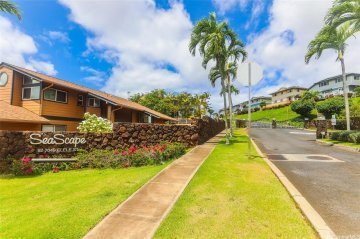
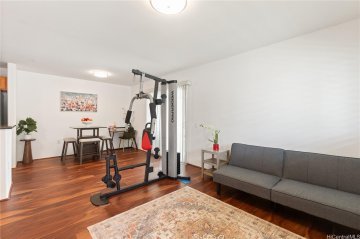
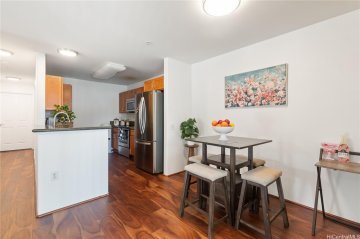
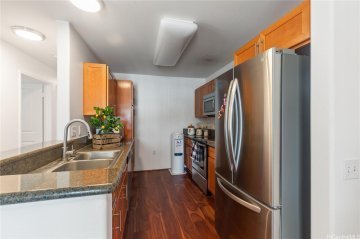
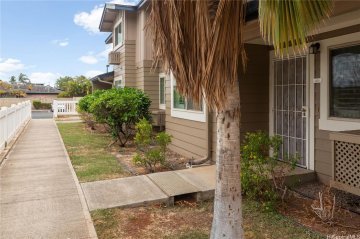
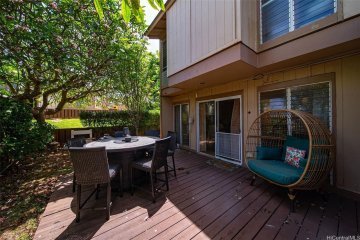
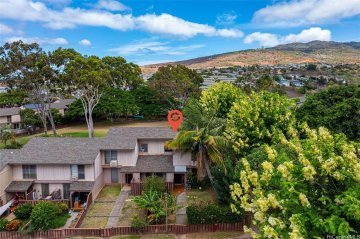
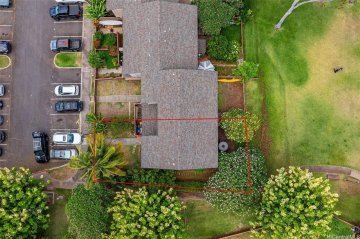
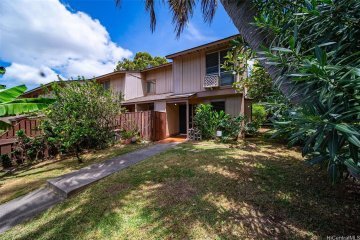
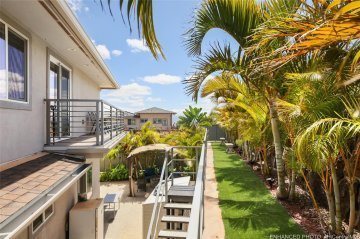
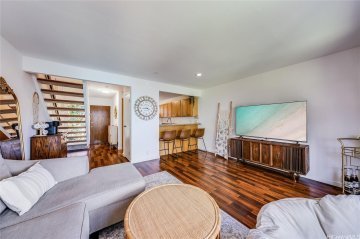
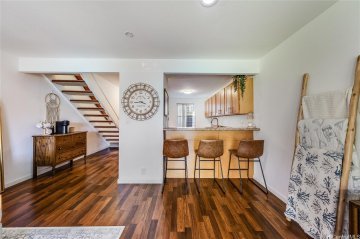
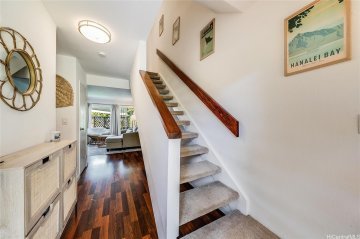
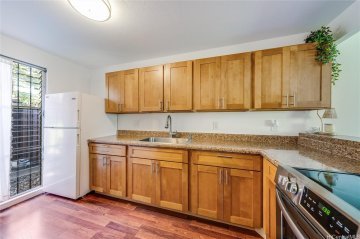
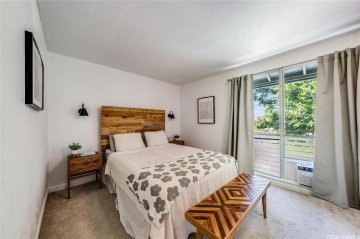
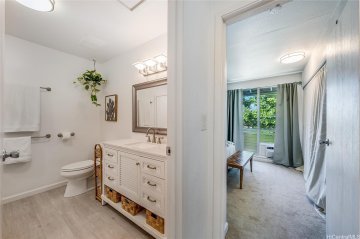
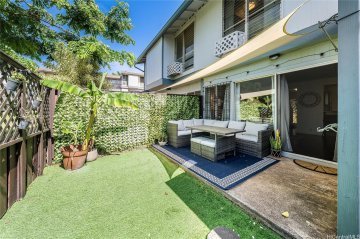
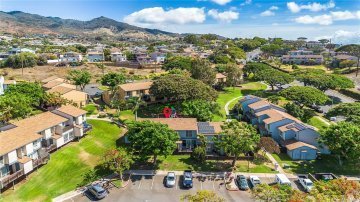
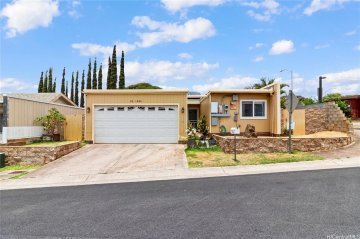
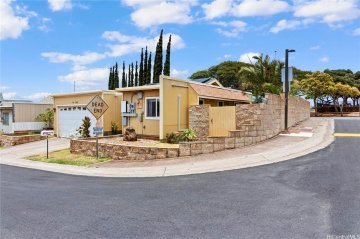
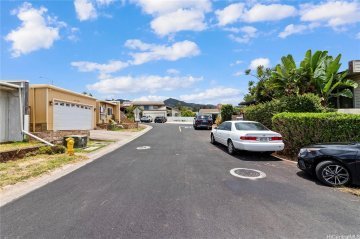
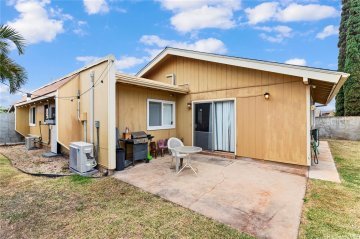
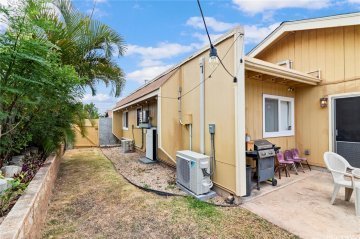
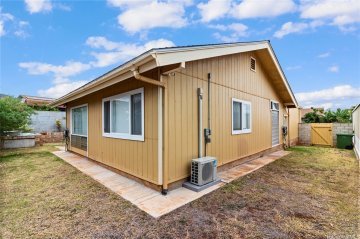
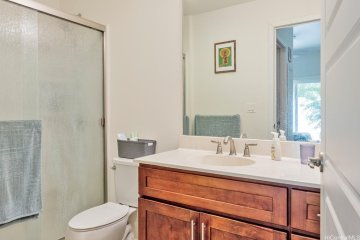
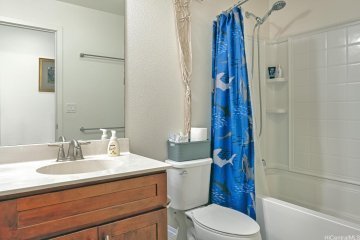
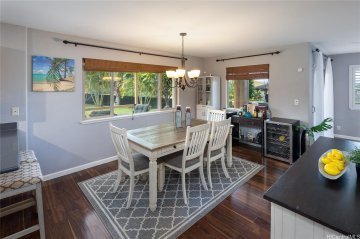
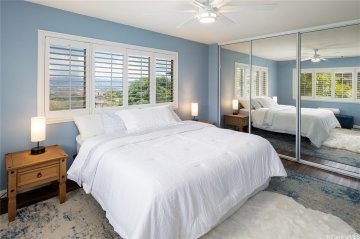
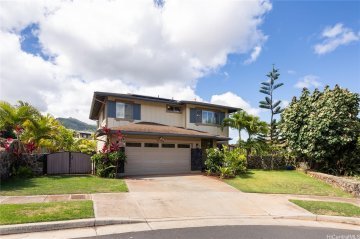
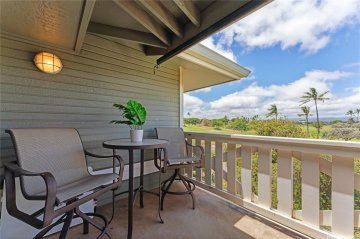
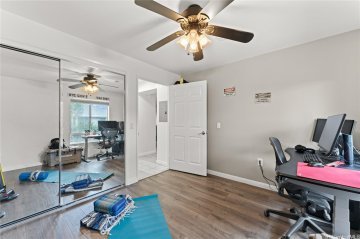
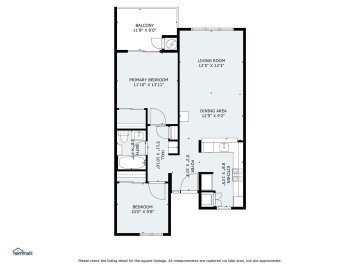
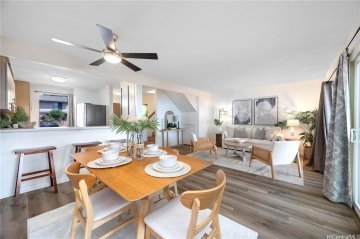
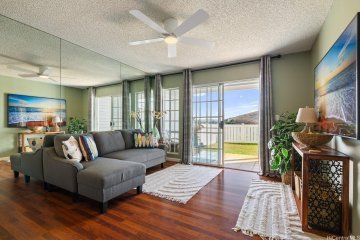
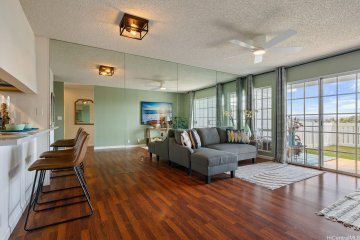
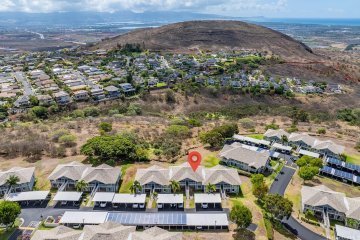
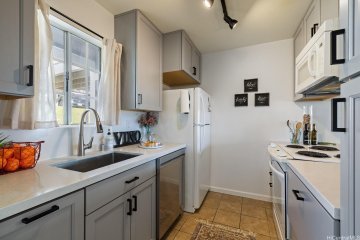
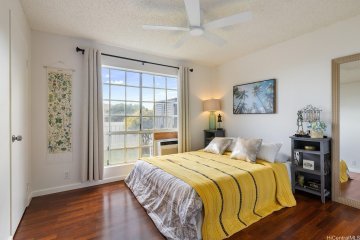
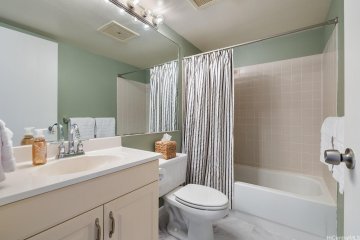
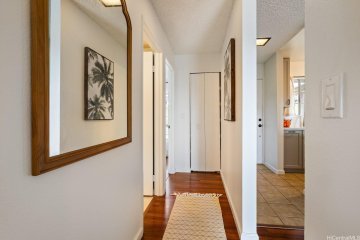
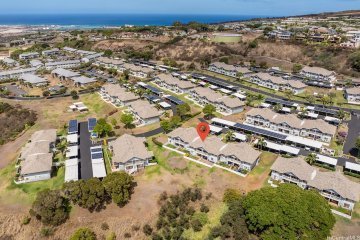
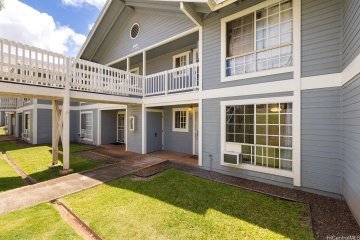
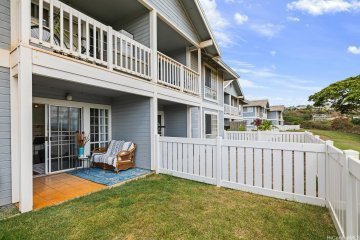
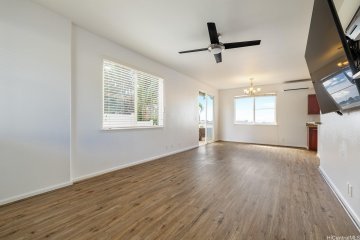
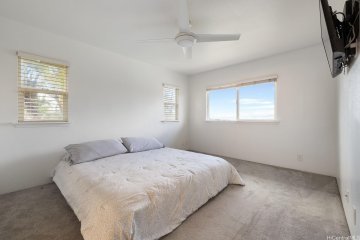
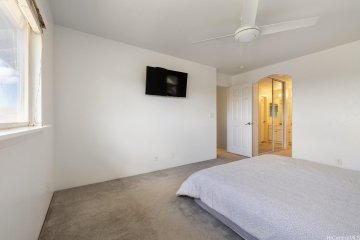
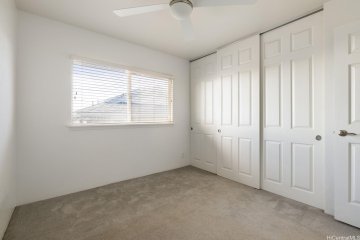
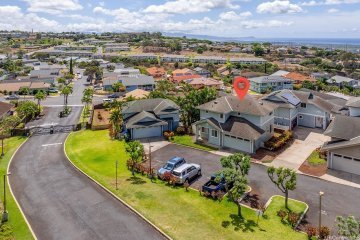
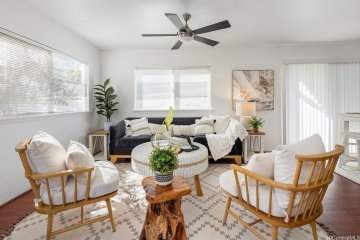
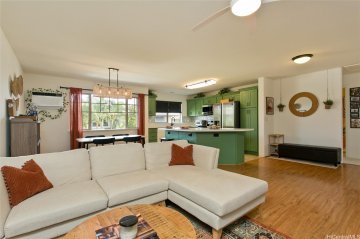
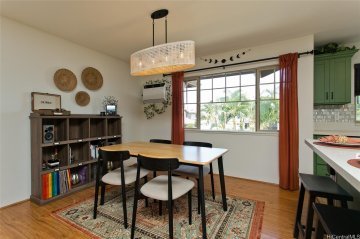
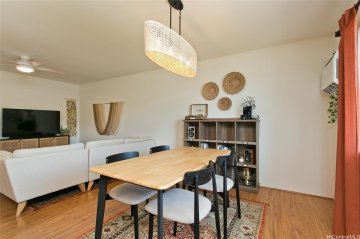
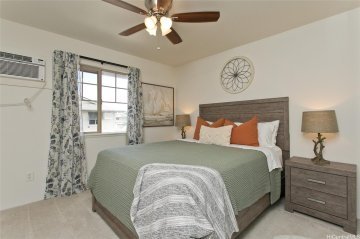
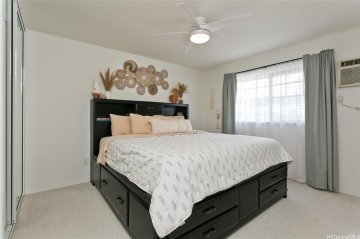
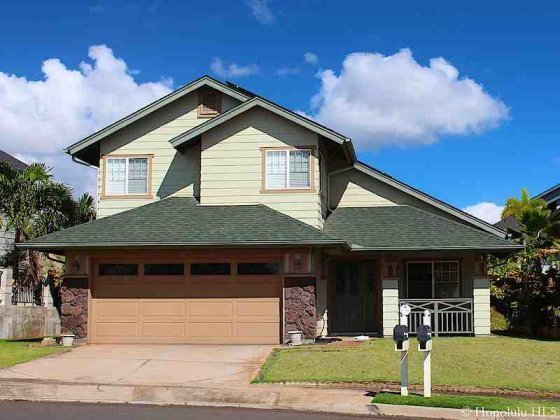
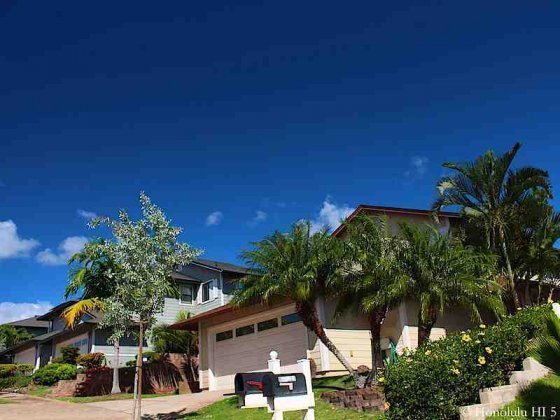
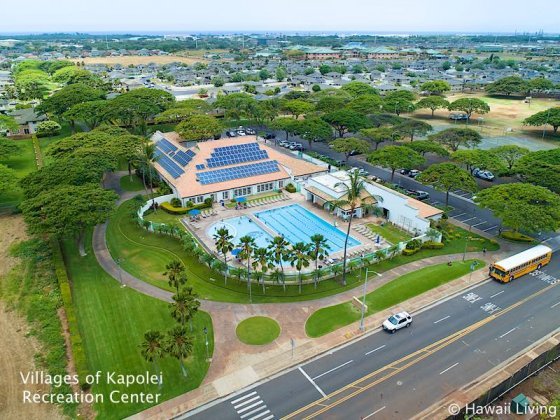
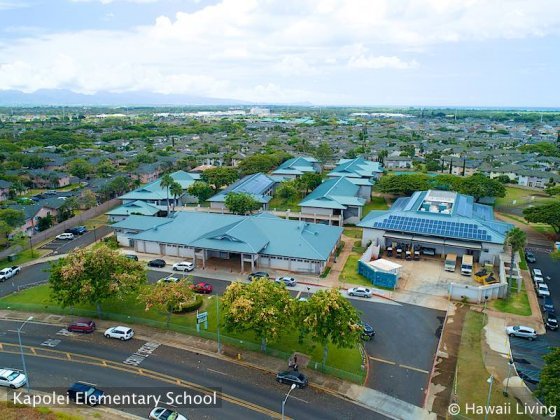
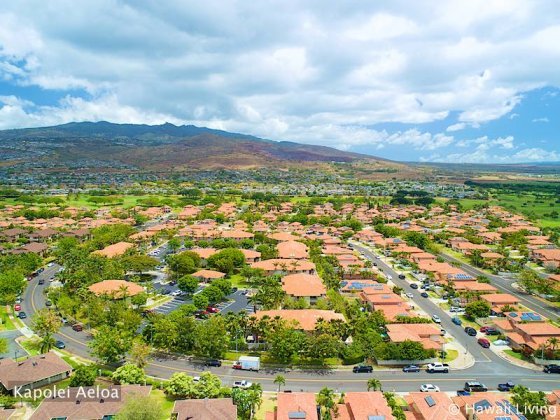
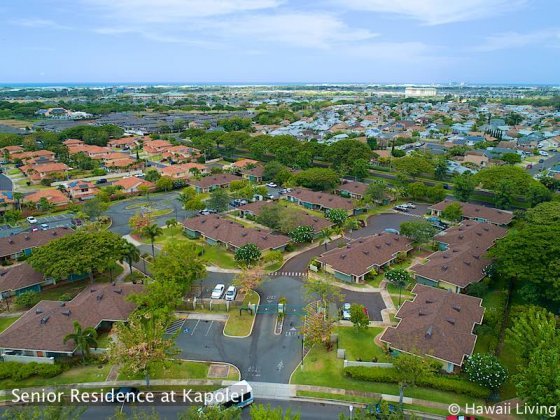
Oahu real estate world has seen a larger and larger number of condo properties. That's not the case here. Though it is an emerging city, most of the real estate in Kapolei is houses and townhomes. This is a low-rise neighborhood, befitting its plantation past. That has been the way from the very start when the first development, the Villages at Kapolei, broke ground in 1990.
The developers behind that project, as well as many after, created extremely attractive terms for homebuyers, such as lower interest rates, no closing costs and extra upgrades. That created an even greater appeal than normal an almost perpetually hot local real estate market. It benefited first time homebuyers most because they could buy a new home, without having the cash usually required to do so in Hawaii.
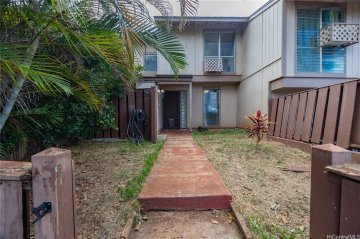
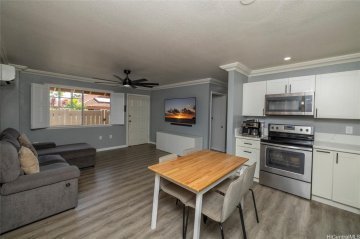
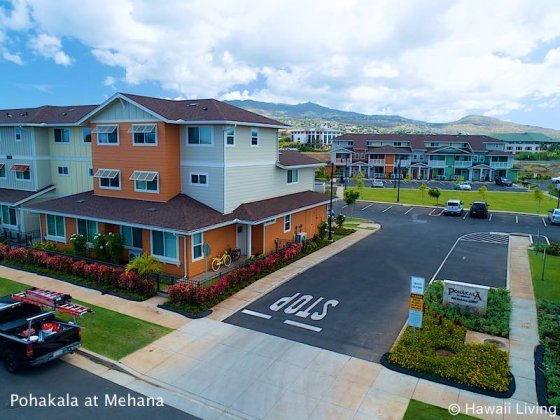
That affordability remains, making this a good place to invest or to buy before that changes. Charming
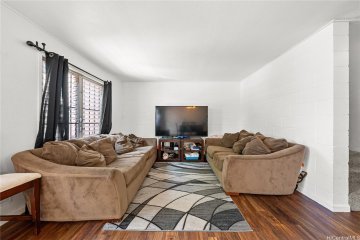
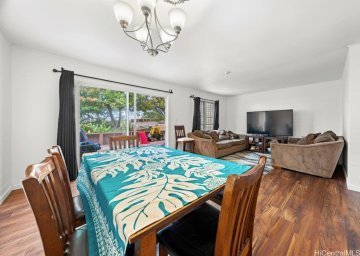
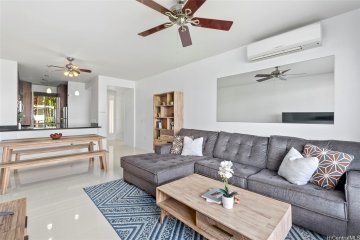
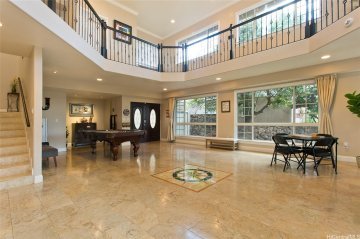
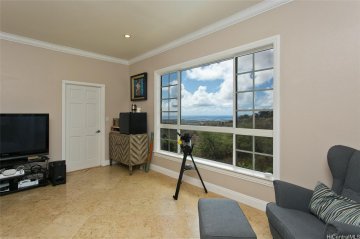
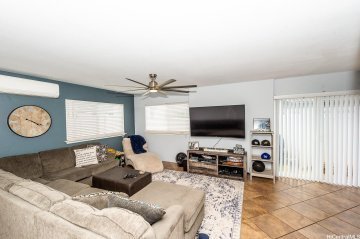
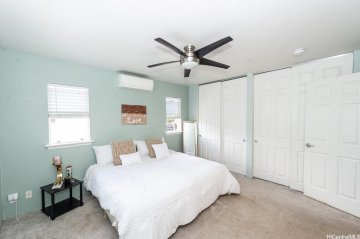
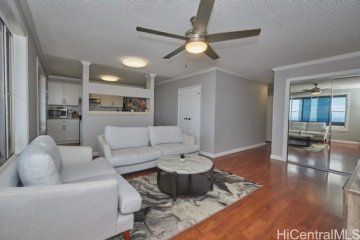
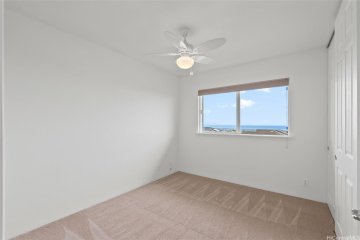
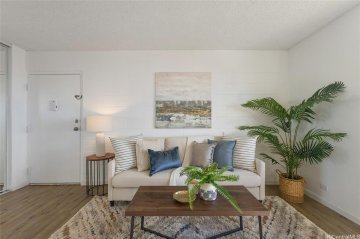
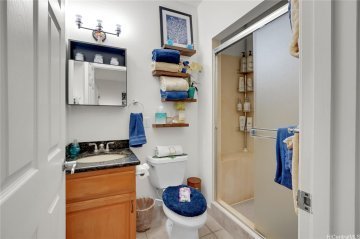
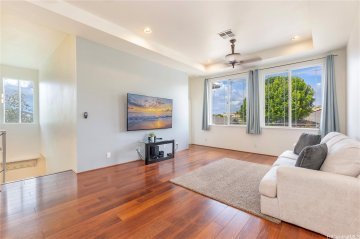
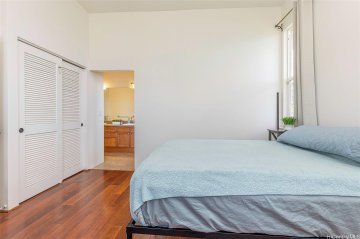
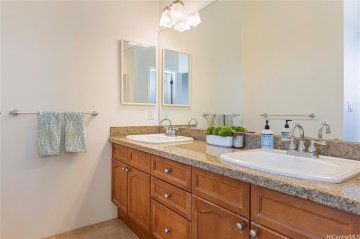
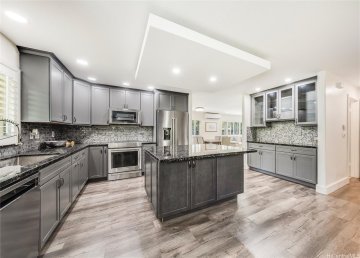
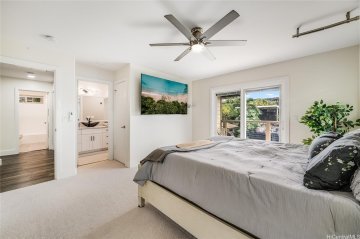
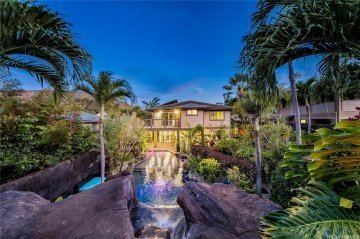
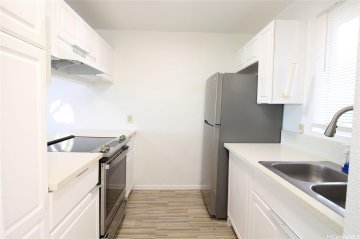
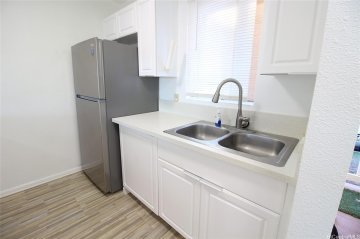
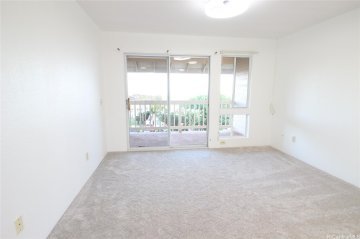
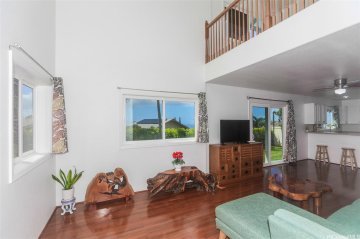
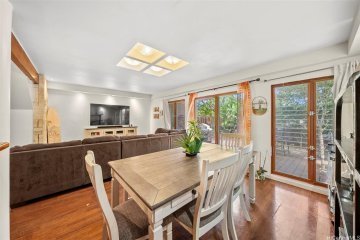
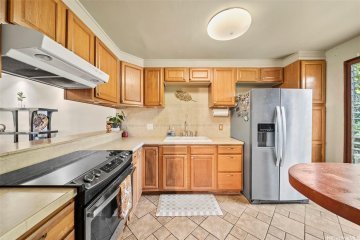
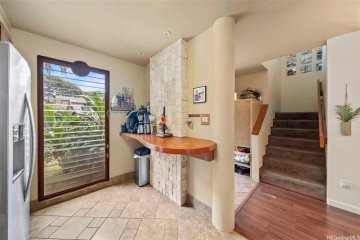
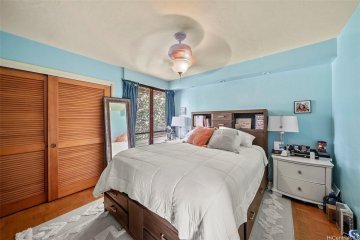
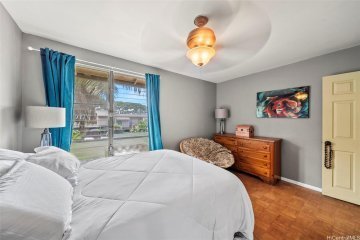
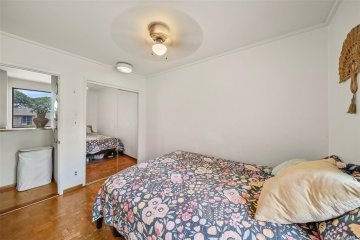
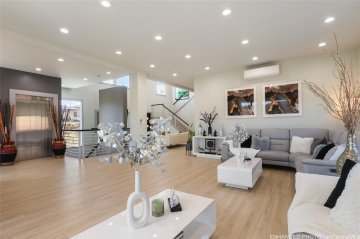
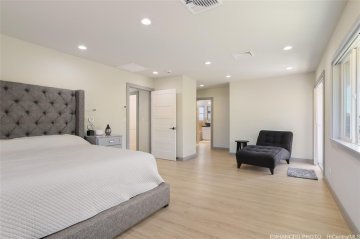
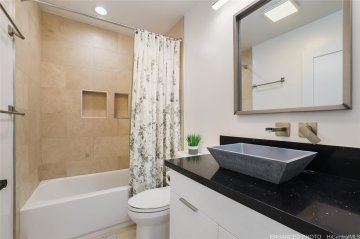
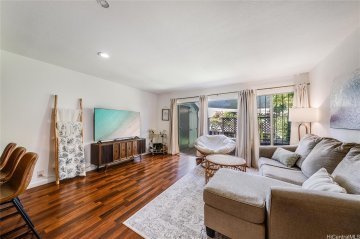
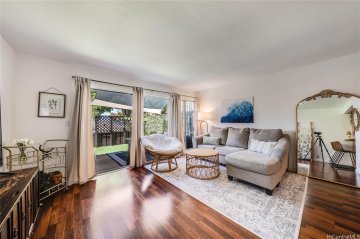
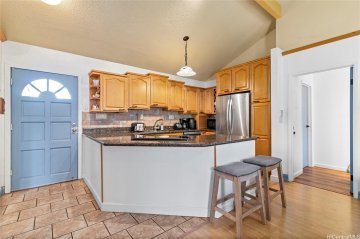
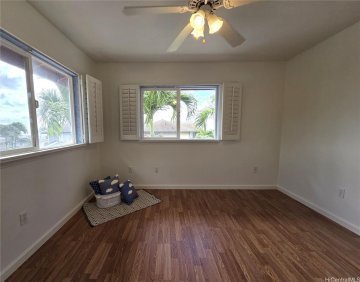
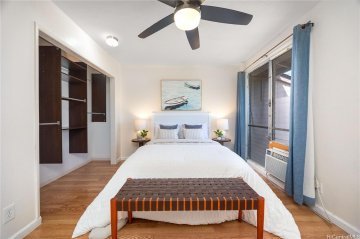
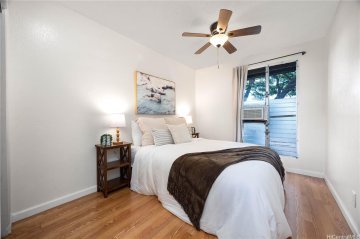
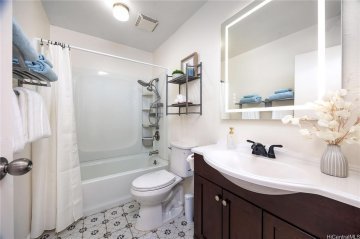
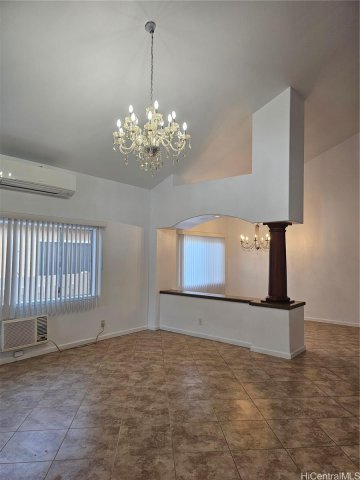
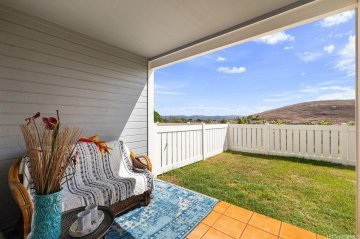
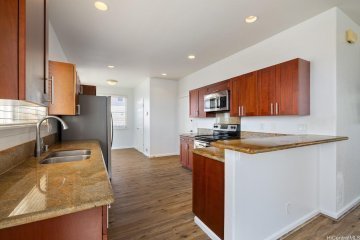
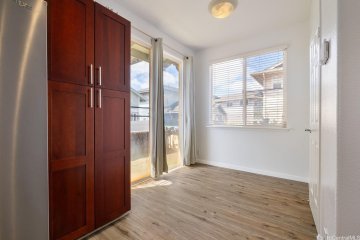
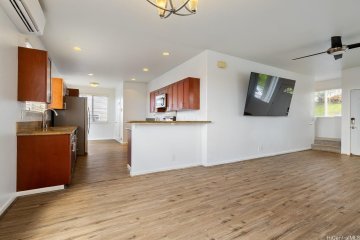
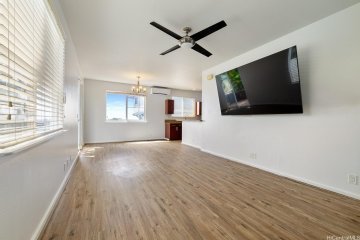
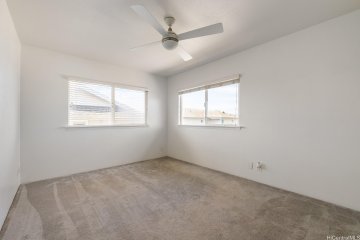
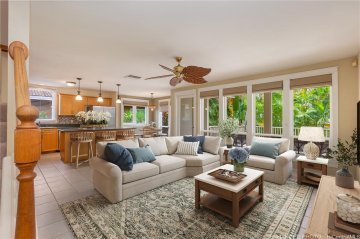
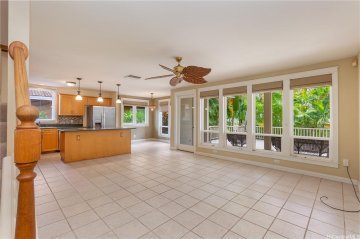
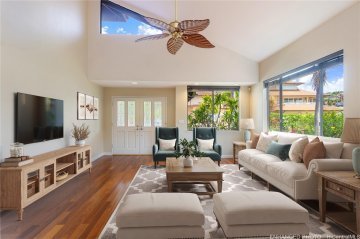
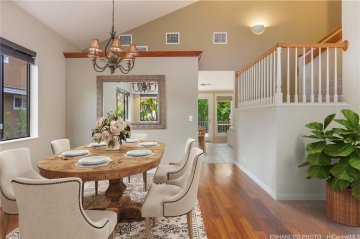
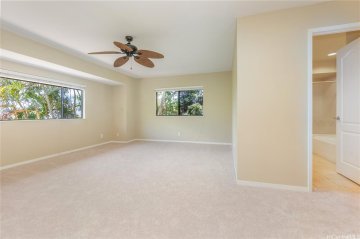
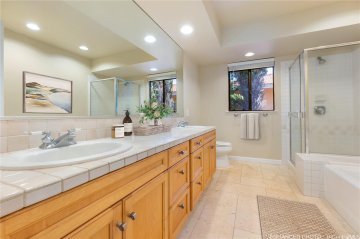
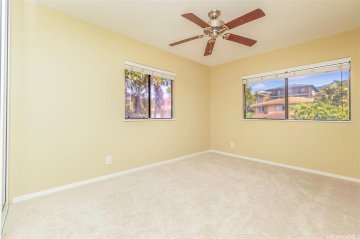
Kapolei townhomes start at less than $300K. If you need a more spacious home, the desirable Kapolei Knolls neighborhood, for example, is famous for its 'Opus' floorplan, which has not just soaring ceilings, but 2,700 sq ft of indoors for you to live and play in as you choose.
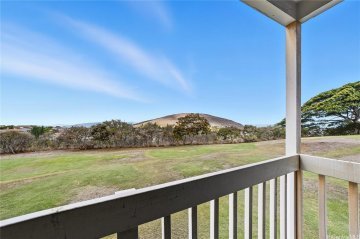
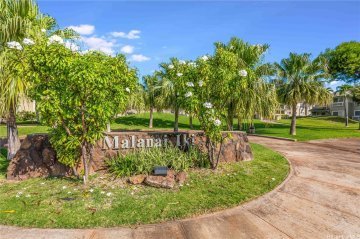
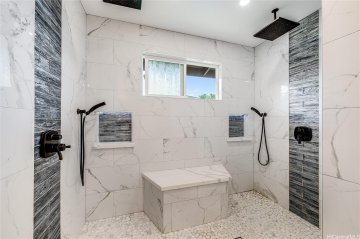
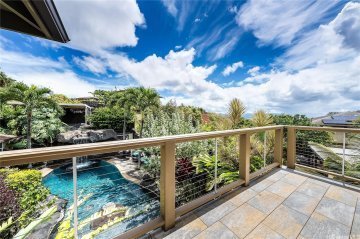
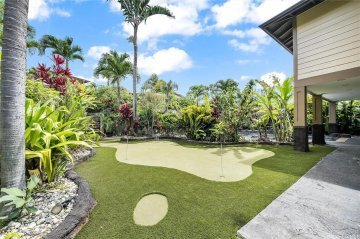
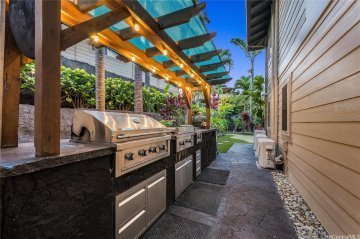
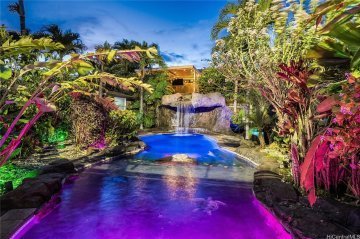
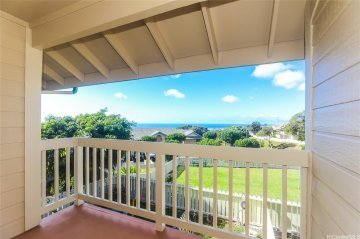
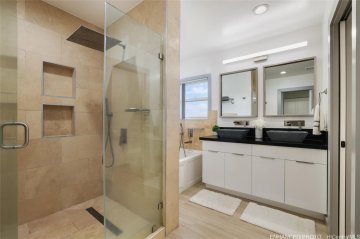
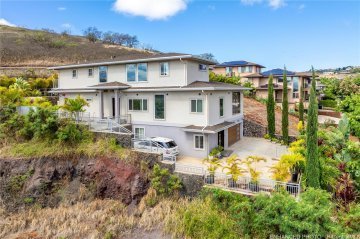
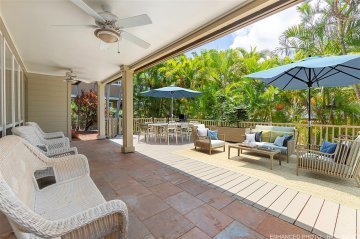
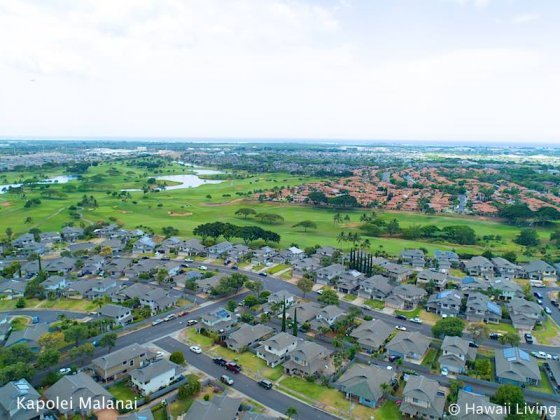
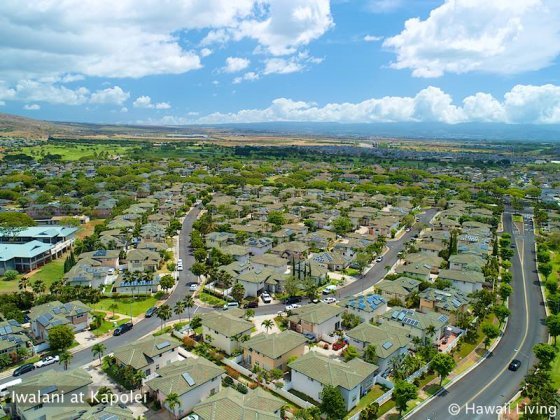
Along with the affordable, you'll find luxury homes in Kapolei as well. The presence of both confirms that Kapolei has truly arrived as a broad-based community. These higher end properties are in subdivisions like Kapolei-Malanai, where the homes sit along a peaceful golf course. Residents get to enjoy the most beautiful of lawns without having to tend it themselves. There are also the statelier homes of Kapolei-Iwalani, which are reminiscent of Kahala styled houses.
See our
video of Kapolei real estate.
The Future What will truly change Kapolei, and all of the Island, will be the rail system that's now under construction. Its beginnings are already very apparent around the area. How exactly it will mark Kapolei does take some guessing, but it's clear that there will be an impact here, at the rail's western end.
Kapolei is a locally brewed, potent mix of firmly established foundations and a future potential that's just a question of how big it will ultimately end up being. That doesn't mean you should approach buying a Kapolei home as a speculator, though. All you need to be is someone looking for a great place to live, raise a family and have all the conveniences at your fingertips - without all the concrete & congestion of that other city.
History of Kapolei In the heated build-up of Oahu's 2nd City, it's been largely forgotten that this was an extremely important site for the ancient Hawaiians. Central to its significance was the tall hill, or pu'u, that stood here, a high point on the Ewa Plain. From here, kahunas dedicated to the goddess Kapo tracked the path of the sun throughout the year.
Kapo was the goddess of hula and sorcery and the elder sister of Pele. On the Winter Solstice the sunlight formed a ring around this hill, named Pu'u O Kapolei. That ring, or lei, combined with 'Kapo' gave us the name we know these lands by, Kapolei.
While the place had a major religious role, it didn't have a practical one. The Ewa Plain was a hotter, drier area of Oahu so it was not thought to be good farmland. This wasn't just the belief of the Native Hawaiians, it was the conventional wisdom among the American & European plantation owners of the 19th Century as well.
That's why the purchase by James Campbell of over 40 thousand acres here in 1877 was believed to be a foolish, if not catastrophic, move. Campbell dug deep, however, and found ample water sources that no one else realized were there. He quickly became a very rich man as huge fields of sugar and pineapple sprang up on previously barren land.
The landscape was altered some by an agreement between the victors of World War I, which required the US to reduce the size of the Navy. This meant that some guns intended for battleships were now given to coastal defenses. One such base was built on Pu'u O Kapolei and given the name Fort Barette. Decommissioned after the 2nd World War, the location can still be easily recognized from the air.
After Campbell's death his holdings were put into an estate. By the early 1950's the estate recognized that the end of the plantation economy was coming. In 1955 they revealed their plans to turn these fields into a new urban center for Oahu. Most don't know that it was the Campbell Estate, not the government, who came up with the concept that's only coming to full fruition now.
The modern, rapidly growing Kapolei that dominates the West side of Oahu is truly a tale of possibility and potential realized. What was once the local equivalent of desert, its sterile and bare lands now hold a thriving community. This was something thought to be impossible not only by Campbell's detractors, but even many in the mid-20th Century. It will be truly exciting to see what happens next in this place that has defied the odds.
Other Pages